MakerKit vs Wasp: the short answer
Choose MakerKit if your customers are companies: teams, roles, invitations, and per-seat billing are already built, the code is standard Next.js and React that any developer or coding agent can read, and the kit is funded by the developers who buy it. Choose Wasp and Open SaaS if you want a free, MIT-licensed template for a single-user MVP and you are comfortable building on a framework that has not reached 1.0.
We build MakerKit, so read this page with that in mind. Every Wasp and Open SaaS fact below comes from their public GitHub repositories, the Wasp blog, and press coverage, checked in September 2026 and linked under the table. Where Wasp is the better choice, we say so.
Why developers look for a Wasp or Open SaaS alternative
- The first B2B customer asks for seats. Organizations, team roles, invitations, and per-seat billing were not listed in Open SaaS's feature list when we checked in September 2026. Adding them touches the schema, every authorization check, the billing webhooks, and most of the UI. That is closer to a rewrite than a feature.
- They want to write the framework everyone knows. A Wasp app is React and Node underneath, but its structure is defined by a Wasp-specific spec file and compiler, with the generated code in a .wasp/ directory. Fewer developers, tutorials, and coding agents know that layer than know Next.js.
- They do not want to track a pre-1.0 framework. Wasp is still on 0.x releases and labeled Beta. Its latest release, 0.25, shipped breaking changes with a migration guide. Wasp's own roadmap post calls the pre-1.0 phase one with "non-standard rough edges".
- Their agent needs a structured codebase to extend. Both projects ship agent instructions. MakerKit adds an MCP server and agent rules on top of a multi-tenant architecture, so Claude Code, Cursor, or Codex extend teams and billing the kit's way instead of inventing them.
Three differences that matter more than the feature list
Features can be added. The framework you are locked into, who pays for the upkeep, and whether the maintainer does it full-time are harder to change after launch.
1. A mainstream framework, not a compiler
MakerKit is Next.js 16 and React 19 code you edit directly, with the same architecture available on TanStack Start and React Router 8. Next.js alone reached 37 million weekly downloads (Next.js team, 2026). That is the pool you hire from, the answers you find when something breaks, and the code your coding agent has seen most.
In Wasp, routes, pages, auth, and server operations are declared in main.wasp and compiled by a pre-1.0 tool. Wasp says you can eject the generated code and continue without it; until you do, each 0.x upgrade is yours to absorb.
2. Funded by customers, not investors
Wasp is a venture-backed company: Y Combinator W21, with about $5.2M raised across two seed rounds (2021 and 2025). That money funds a lot of good open-source work, Open SaaS included.
It also means the framework's roadmap answers to a growth plan and a runway. MakerKit is funded by the developers who buy it, so the only roadmap is what those developers need to ship.
3. A full-time business, not a side project
MakerKit launched in 2022, and license sales let me work on the kits, the docs, and support full-time. The kits are the product.
You can check the pace before paying: the dated changelog lists every release, and the documentation is public.
MakerKit vs Wasp Open SaaS: feature comparison
MakerKit features link back to its public documentation. Open SaaS features are marked from its GitHub README and the Wasp repository, checked in September 2026.
| Feature | MakerKit | Wasp Open SaaS |
|---|---|---|
| Pricing and license | One-time license, lifetime updates | Free, MIT licensed |
| What you write | Next.js 16 and React 19 directly; also TanStack Start and React Router 8 kits | A main.wasp spec compiled to React, Express, and Prisma |
| Framework stability | Stable Next.js releases; public dated changelog | Pre-1.0 (Beta); 0.25 shipped breaking changes (September 2026) |
| Multi-tenancy (orgs/teams) | Personal, team, or hybrid account modes | Not listed in the Open SaaS feature list |
| Team roles and invitations | Role-based permissions and invitations | Not listed |
| Seat-based billing | Per-seat plans documented in every kit | Not listed |
| Tenant isolation in the database | Postgres RLS on the Supabase kits; organization-scoped policies with Better Auth | Not listed |
| Payment providers | Stripe or Lemon Squeezy (Supabase kits); Stripe or Polar (Drizzle, Prisma) | Stripe, Polar, or Lemon Squeezy |
| Authentication | Supabase Auth or Better Auth: OAuth, magic links, MFA, passkeys | Email, Google, GitHub, Slack, Microsoft |
| Data layer | Postgres: Supabase, or Drizzle / Prisma on any Postgres | Prisma, managed by Wasp |
| Admin panel | Super admin: view, impersonate, and ban users | Admin dashboard |
| Playwright E2E tests | Suite covering auth, billing, and team flows | Playwright E2E tests |
| AI agent tooling | AGENTS.md, agent rules, and an MCP server | AGENTS.md, skills, and a Claude Code plugin |
| Deployment | Vercel, Cloudflare, Docker, VPS (Supabase kit); Docker, Railway (Drizzle, Prisma) | One command to Railway or Fly.io via the Wasp CLI |
Legend: green check, documented first-class feature. Yellow minus, partial or limited. Grey circle, not listed when we checked.
Where MakerKit wins, and where Wasp wins
MakerKit is the better choice if
- You sell to teams. Accounts, memberships, roles, and invitations are modeled in the database, and on the Supabase kits tenant isolation is enforced with Postgres Row Level Security.
- You want code that any Next.js developer, and any coding agent, already knows how to read, with no spec file or compiler between you and the app.
- You would rather not absorb breaking changes from a pre-1.0 framework while you are trying to find customers.
- You want the vendor paid by the same people it builds for: MakerKit is funded by license sales and maintained full-time since 2022.
- You may need another surface later: the same architecture ships for TanStack Start and React Router, plus an Expo app for iOS and Android.
Wasp is the better choice if
- Your budget is zero. Open SaaS is free and MIT licensed.
- You are validating a single-user MVP and want the fewest lines of code to read. Wasp generates much of the wiring from the spec.
- You want one-command deploys to Railway or Fly.io from the Wasp CLI.
- You like the declarative model and are happy to track 0.x releases until Wasp reaches 1.0.
Comparing Wasp with other paid kits too? Our MakerKit vs supastarter comparison covers the closest multi-tenant rival.
What you get with MakerKit
- The license: a one-time purchase that adds you to the private GitHub repository, with lifetime updates and unlimited products for your own business. Sharing the code with employees or building for clients needs a Team license; see the license terms.
- Support: the Discord community, where the maintainer answers kit questions. Team licenses add a private channel.
- Try before you buy: the documentation is public, so you can read the architecture before paying. Because you receive the full source, refunds are generally not offered once repository access is redeemed; details in the FAQ.
The rows a free template leaves you to build
Open SaaS covers auth and payments for one user. Teams, roles, seat billing, and tenant isolation are the rows you would add yourself. With AI coding tools, that is still 49-81 hours of senior developer time, including fixing the patterns AI got wrong.
Build once
Infrastructure every SaaS needs before its first feature
- Authentication (email, OAuth, MFA)6-10 hoursPre-built
- Stripe subscription billing5-8 hoursPre-built
- Teams, roles & invitations6-10 hoursPre-built
- Super admin dashboard4-6 hoursPre-built
- Transactional emails3-5 hoursPre-built
- Marketing pages2-4 hoursPre-built
- Blog & documentation3-5 hoursPre-built
- Project setup (monorepo, CI, TypeScript)2-3 hoursPre-built
- E2E tests (auth and billing flows)3-5 hoursPre-built
Maintain forever
Work that keeps coming after launch
- Refactoring AI-generated patterns15-25 hoursNot needed
- Next.js/React version upgradesEvery major releaseIncluded
- Security patches & fixesOngoing, unpredictableIncluded
- Dependency updatesOngoingIncluded
49-81 hours
With AI tools, including rework
Day 1
Start building your product immediately
$7,350-$12,150
In developer time and opportunity cost
Estimates for a senior developer building from scratch with Claude Code or Cursor at $150/hour, including 15-25 hours refactoring AI-generated patterns. Read the methodology
Our customers love Makerkit ❤️
Rob, founder at Provider.app
Watch the full interview with Rob.Sebastian, founder at Watchthis
Watch the full interview with Sebastian.Michael, founder at ChatFlow
Watch the full interview with Michael.Choosing MakerKit over Open SaaS? Pick your stack
One-time purchase: lifetime license, continuous updates, unlimited projects of your own.
- Lifetime access to your stack of choice
- Build unlimited applications
- Continuous updates
- Access to the Discord community
- The best support in the SaaS Starter kits market, period.
- Community and Chat support
- Community-based feature requests and Request for Comments. You have a say in what Makerkit should build next.
- One-time payment, no subscriptions
- Includes access to our free Figma UI kit
Choose your Stack
Select the technology stack that best fits your project
Questions about licensing?
Read the MakerKit license terms and the MakerKit FAQ, or contact me.
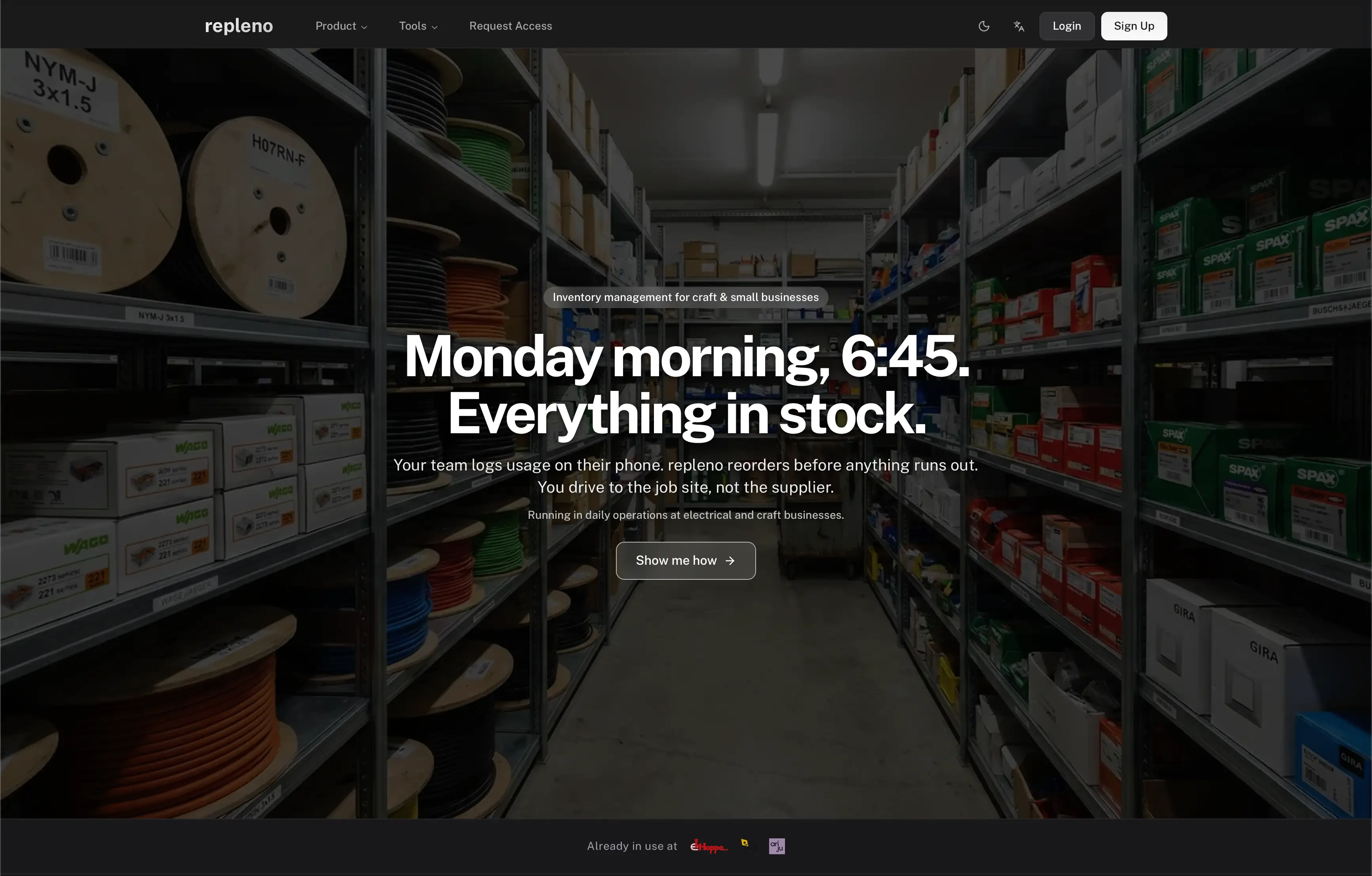
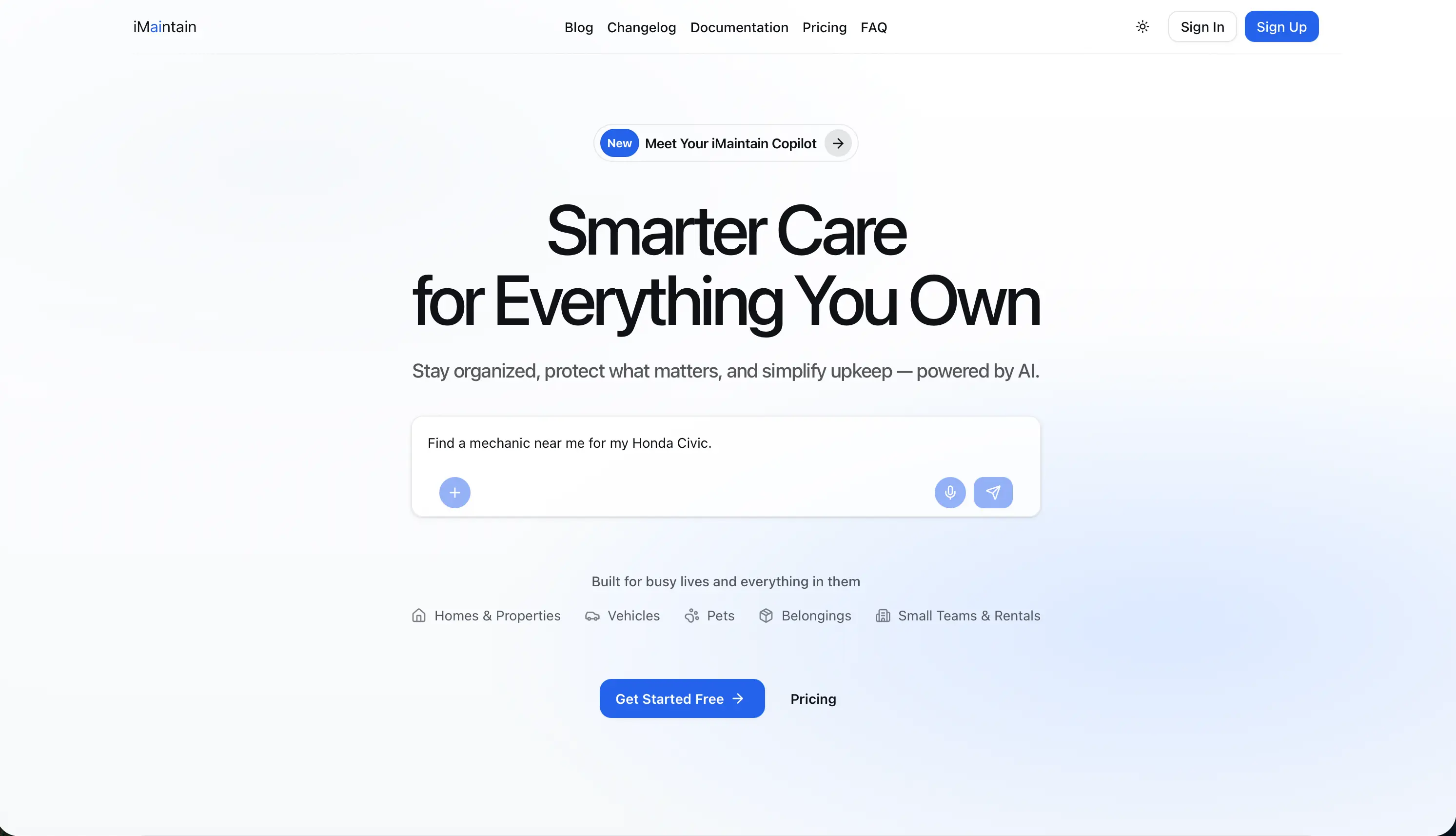
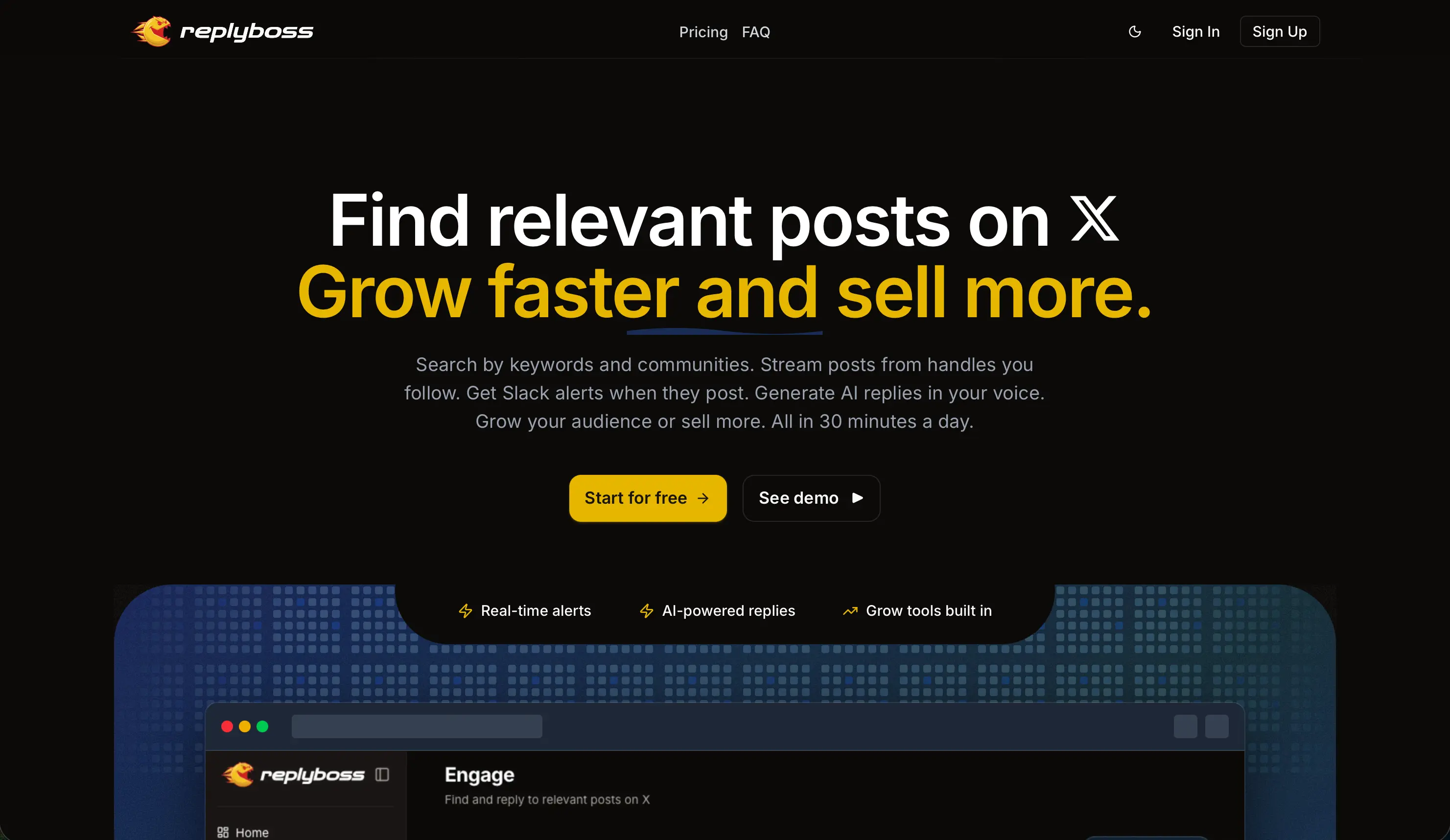
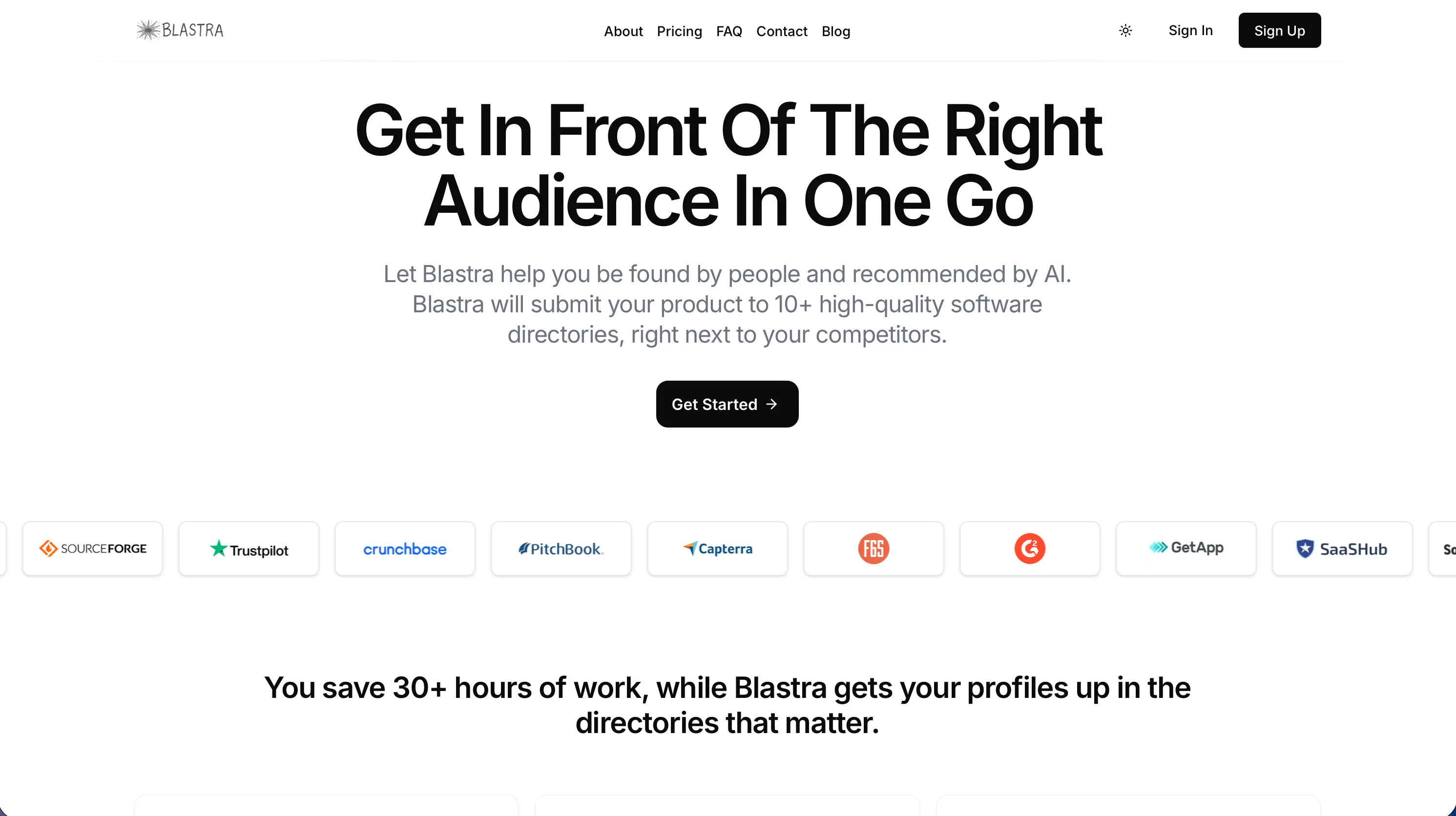
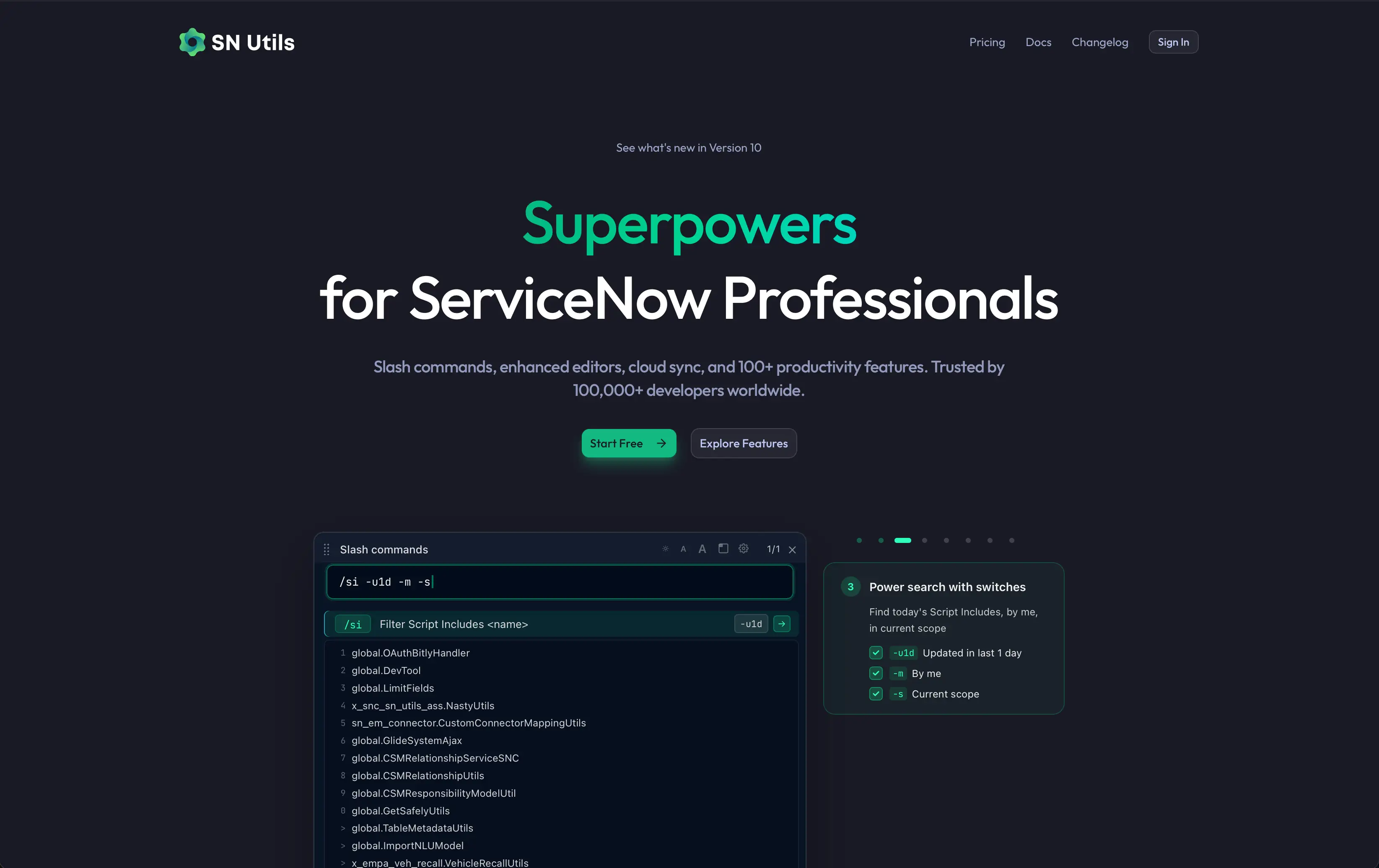
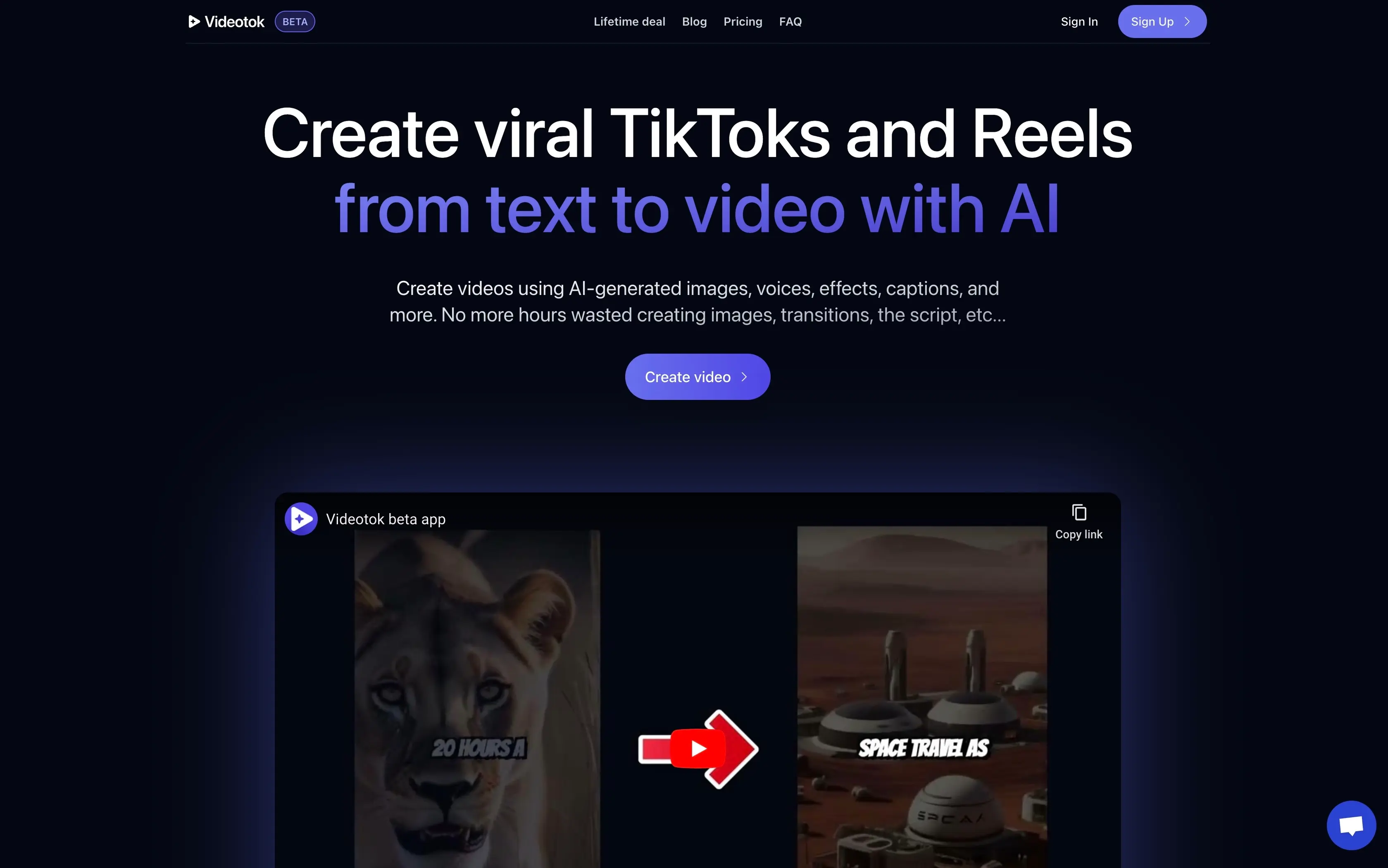
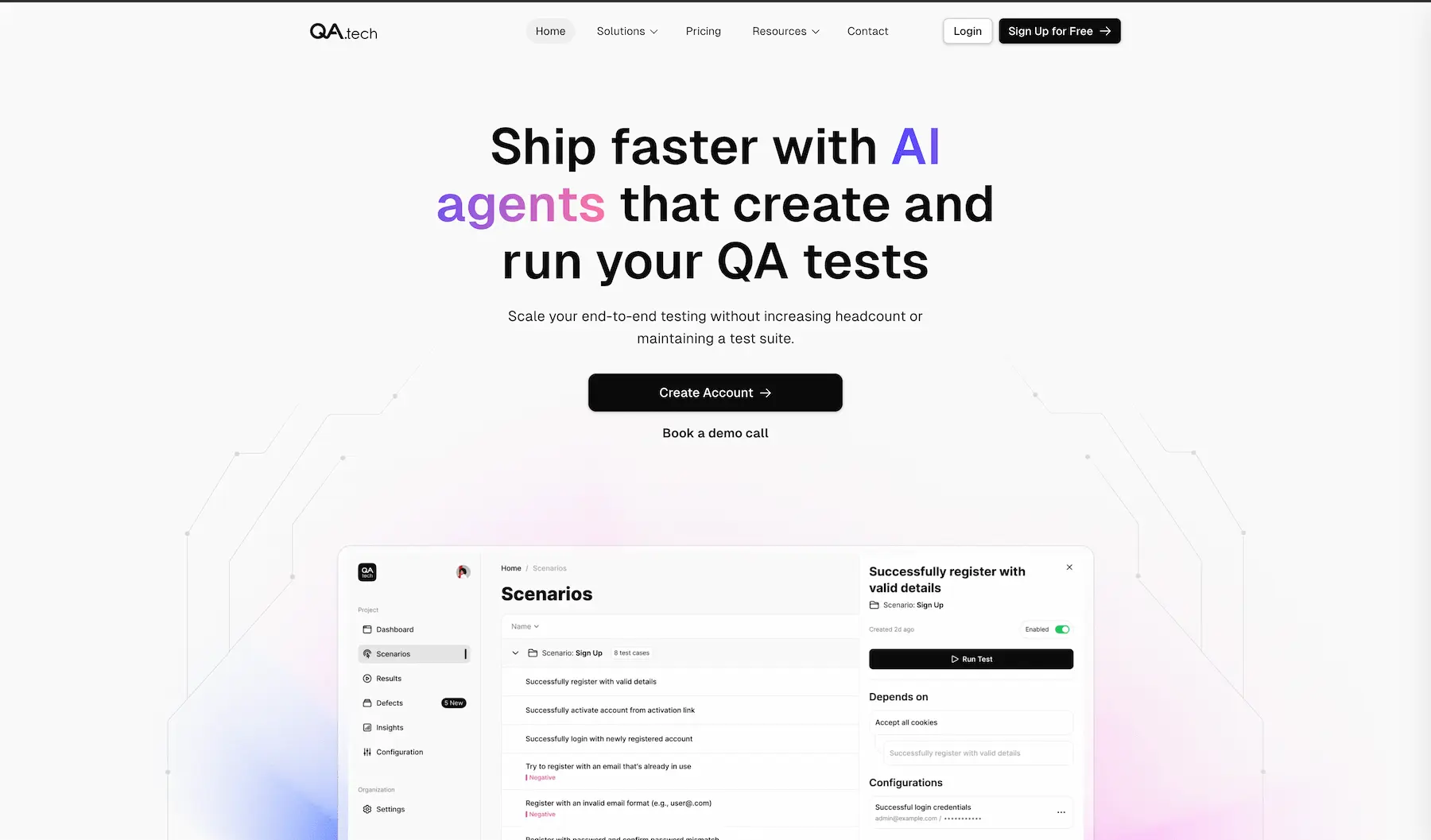
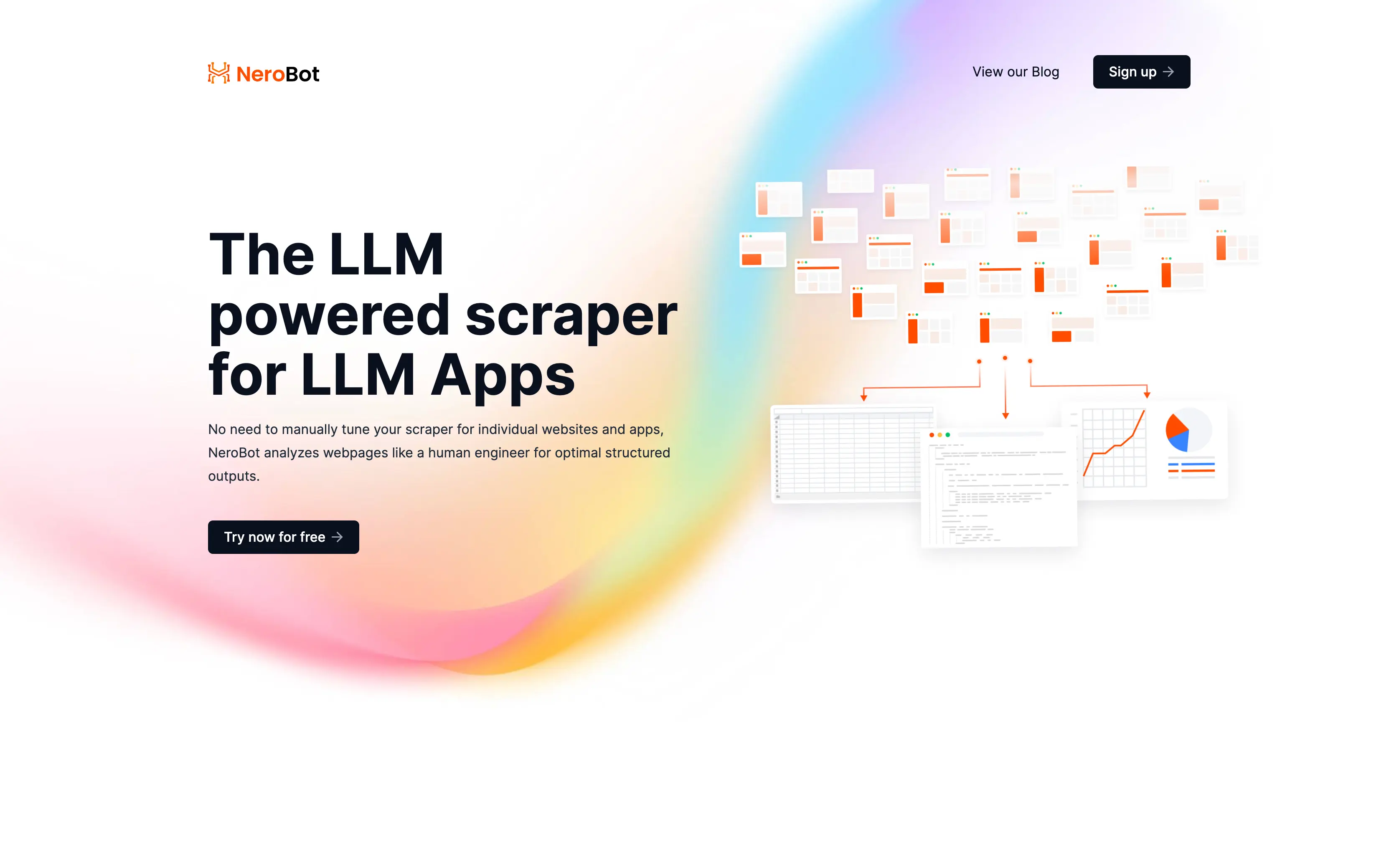
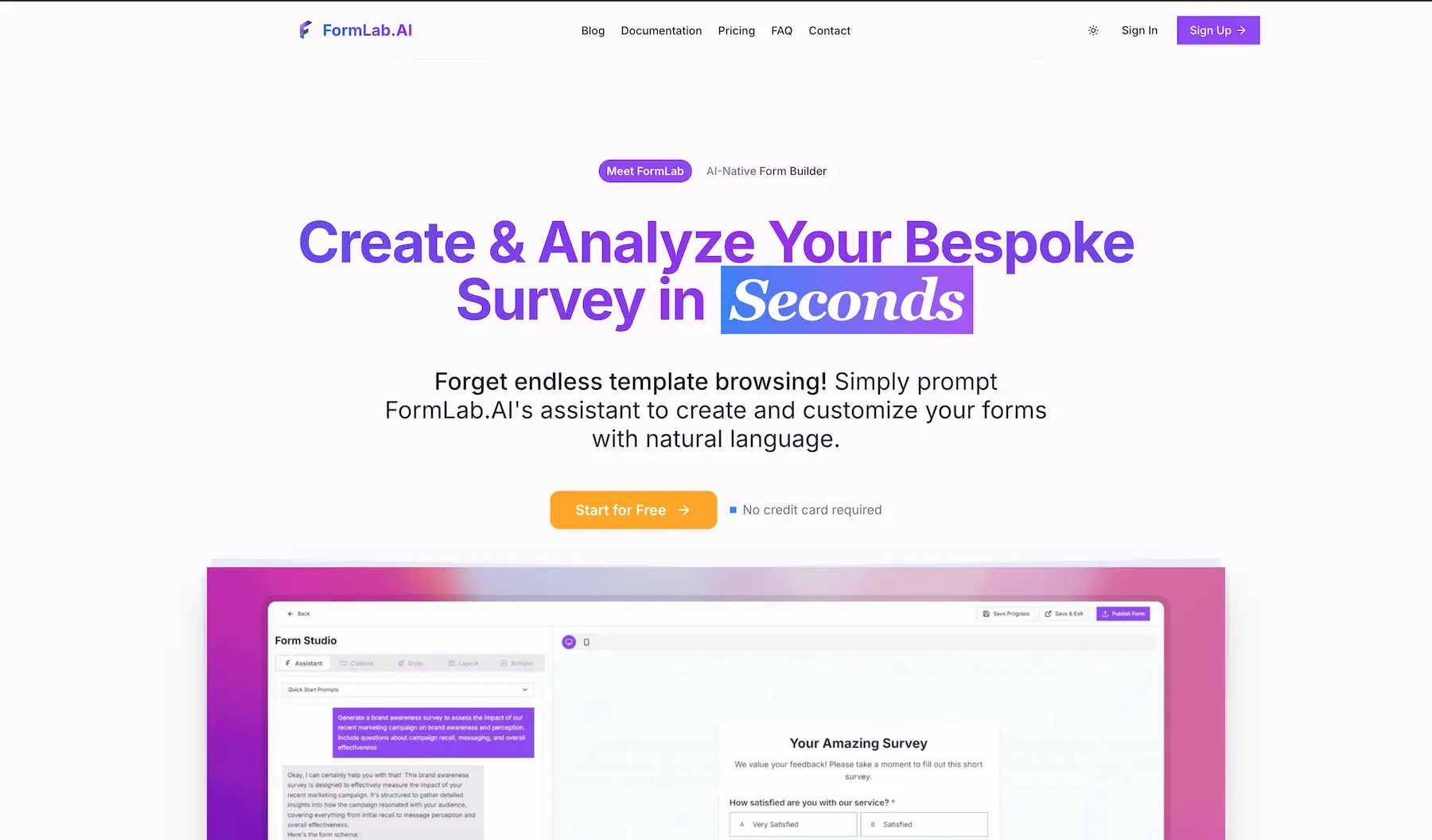
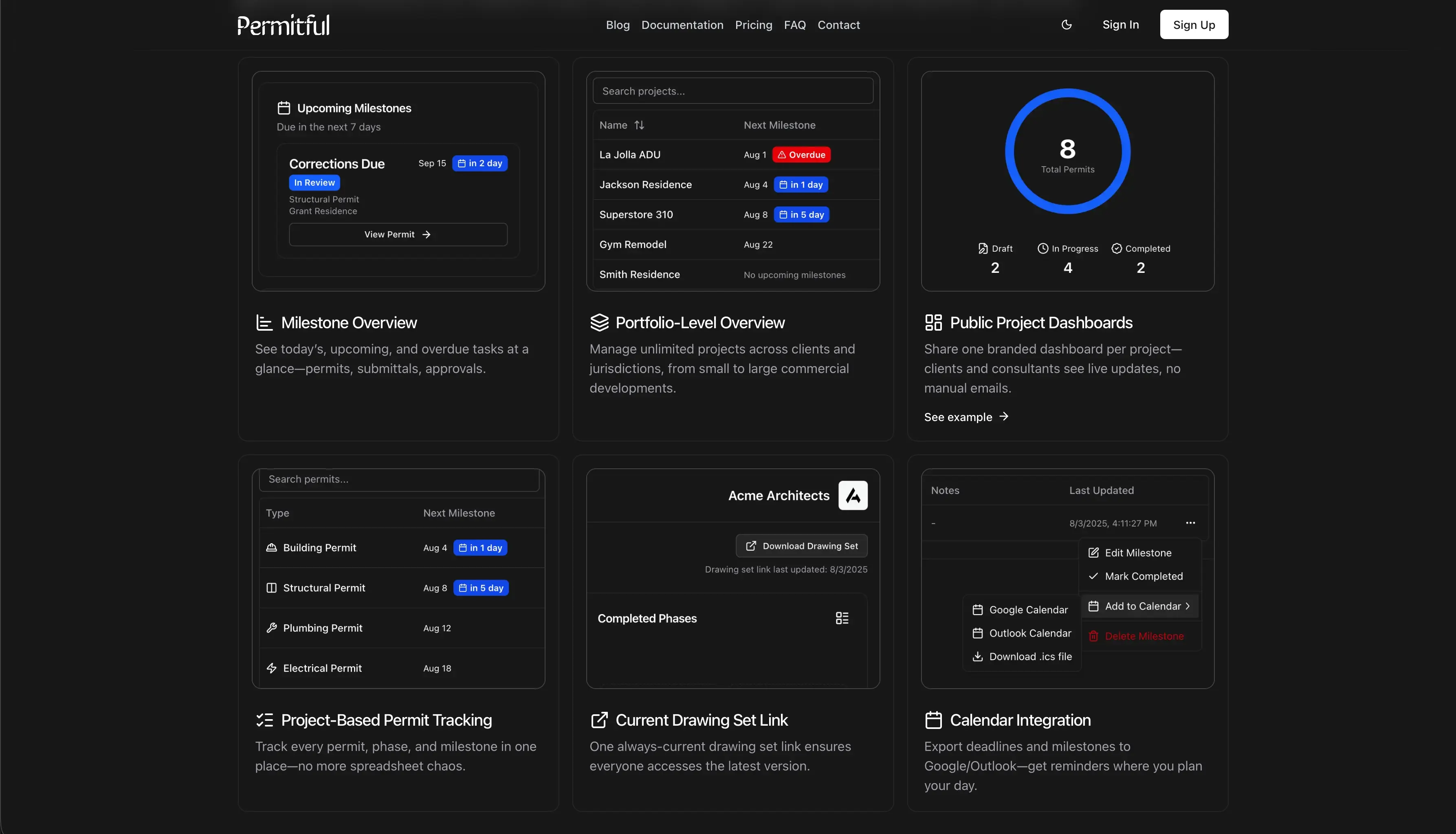
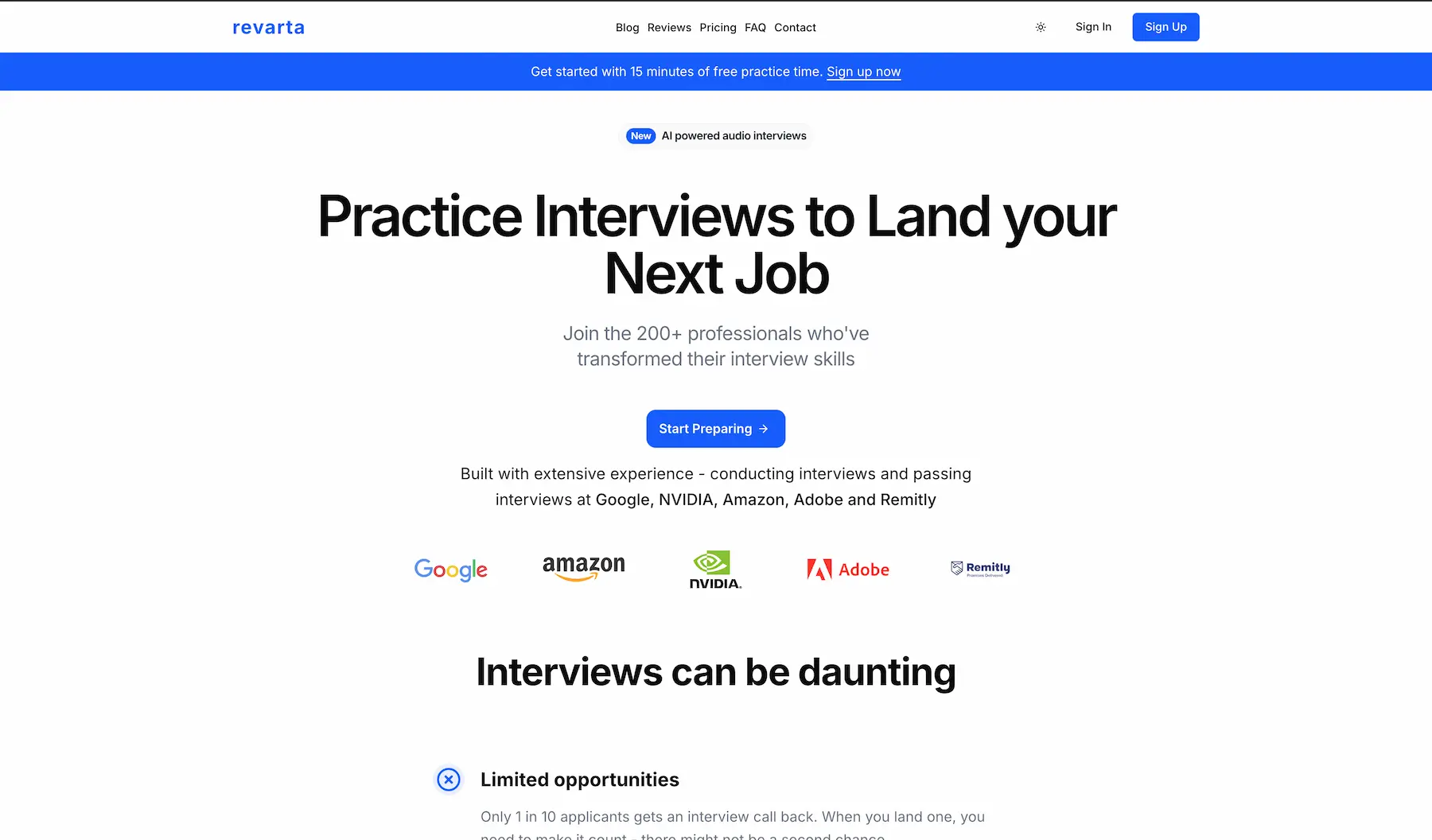
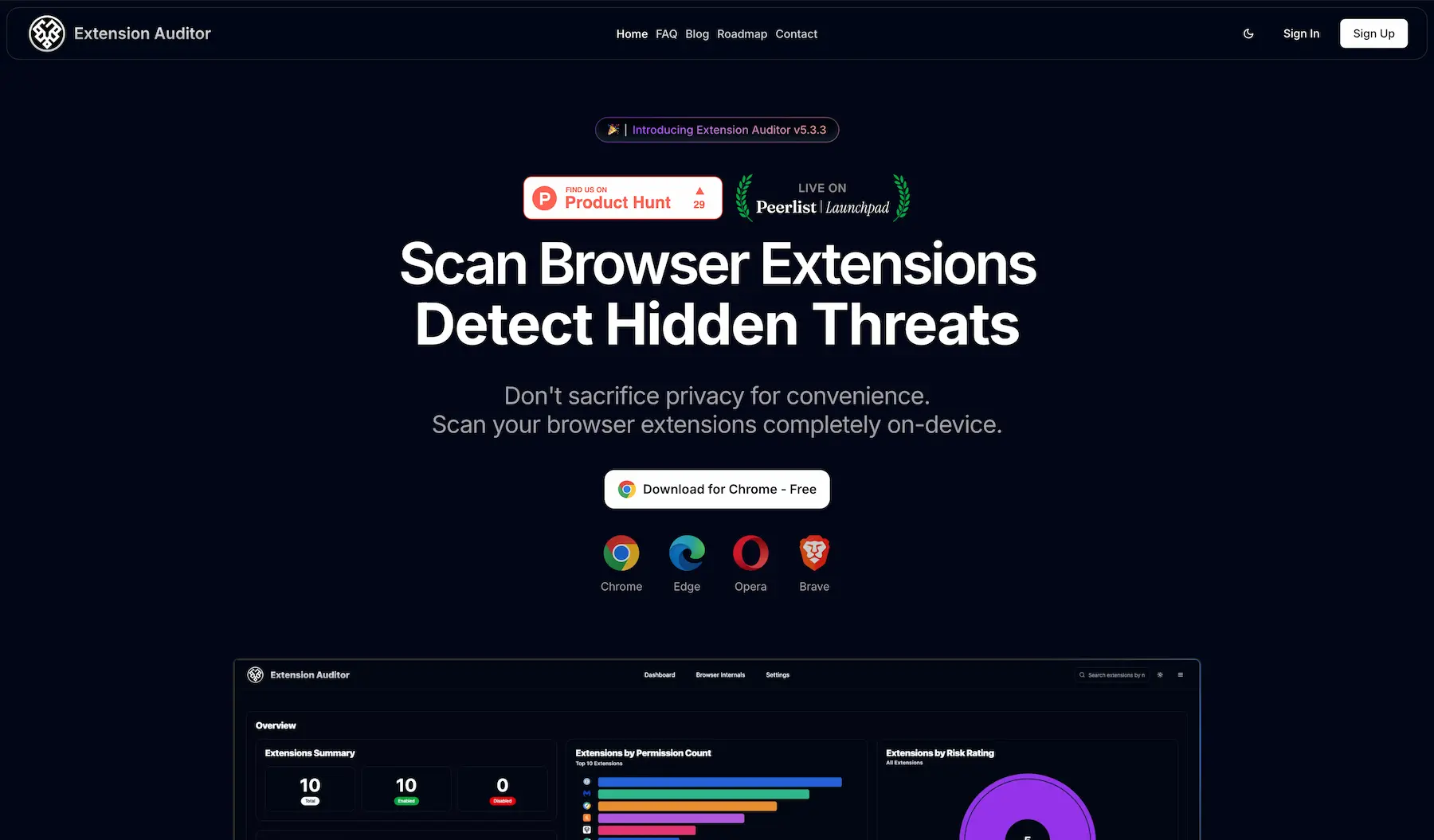
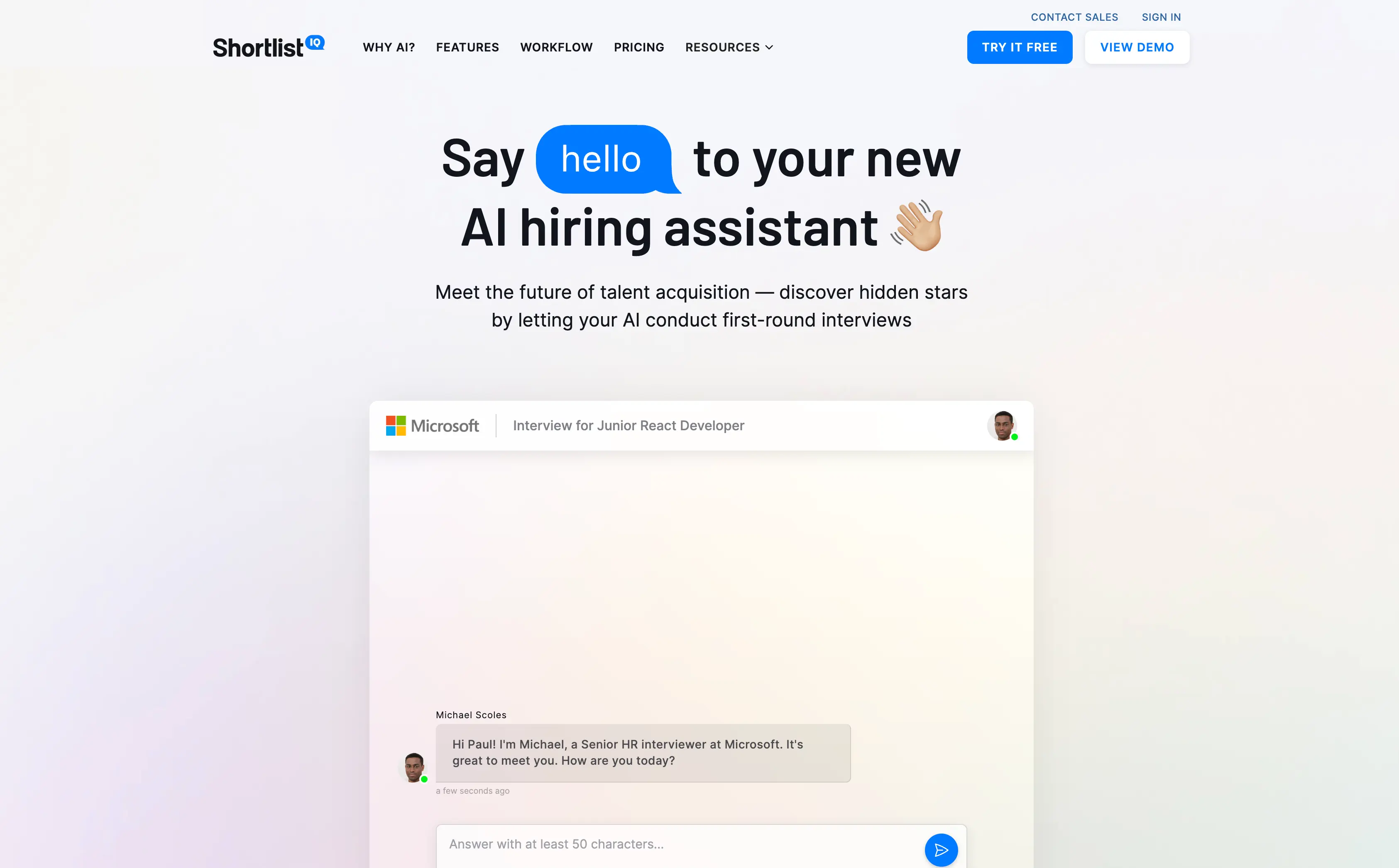
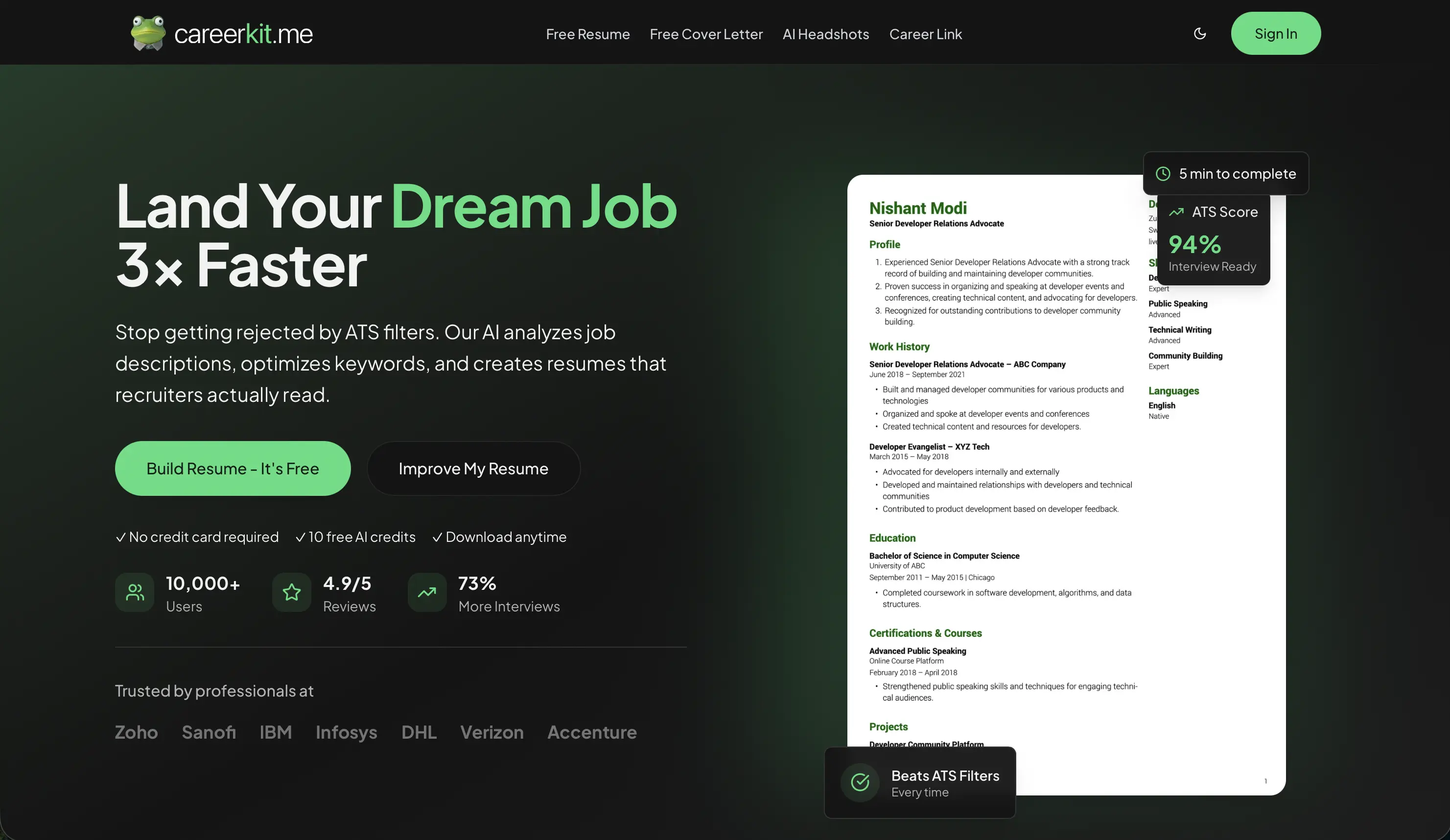
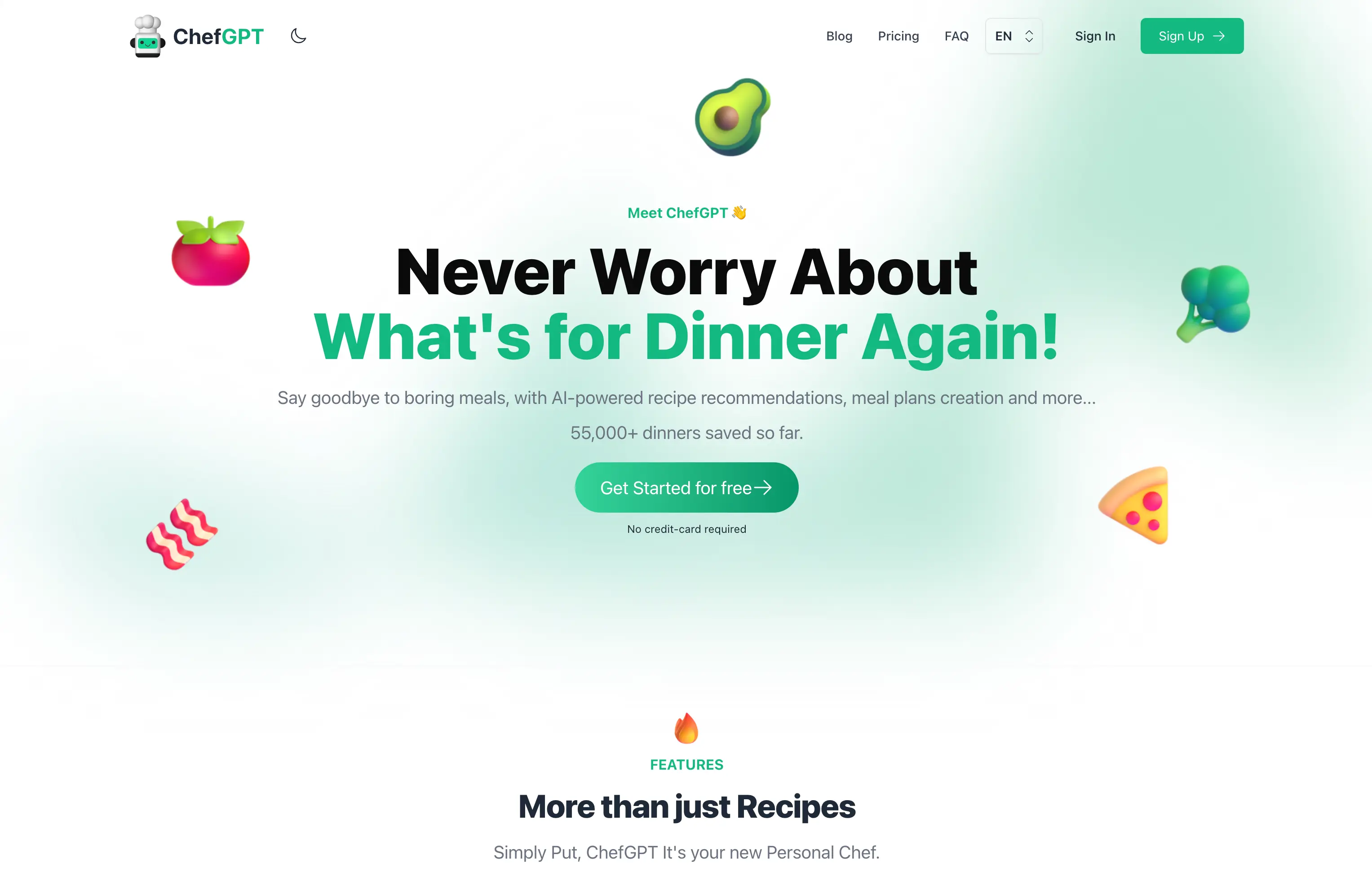
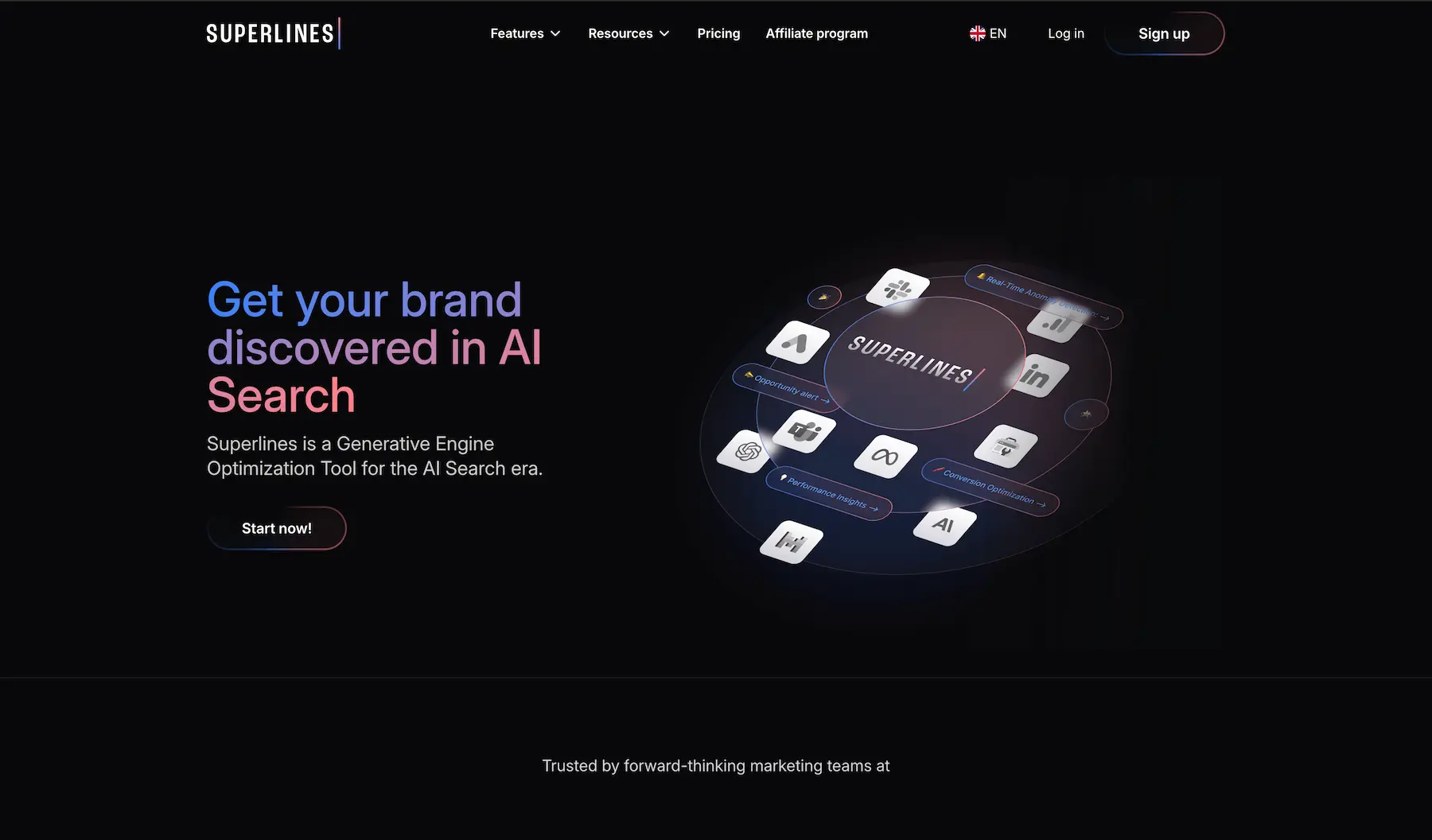
SaaS products built with MakerKit
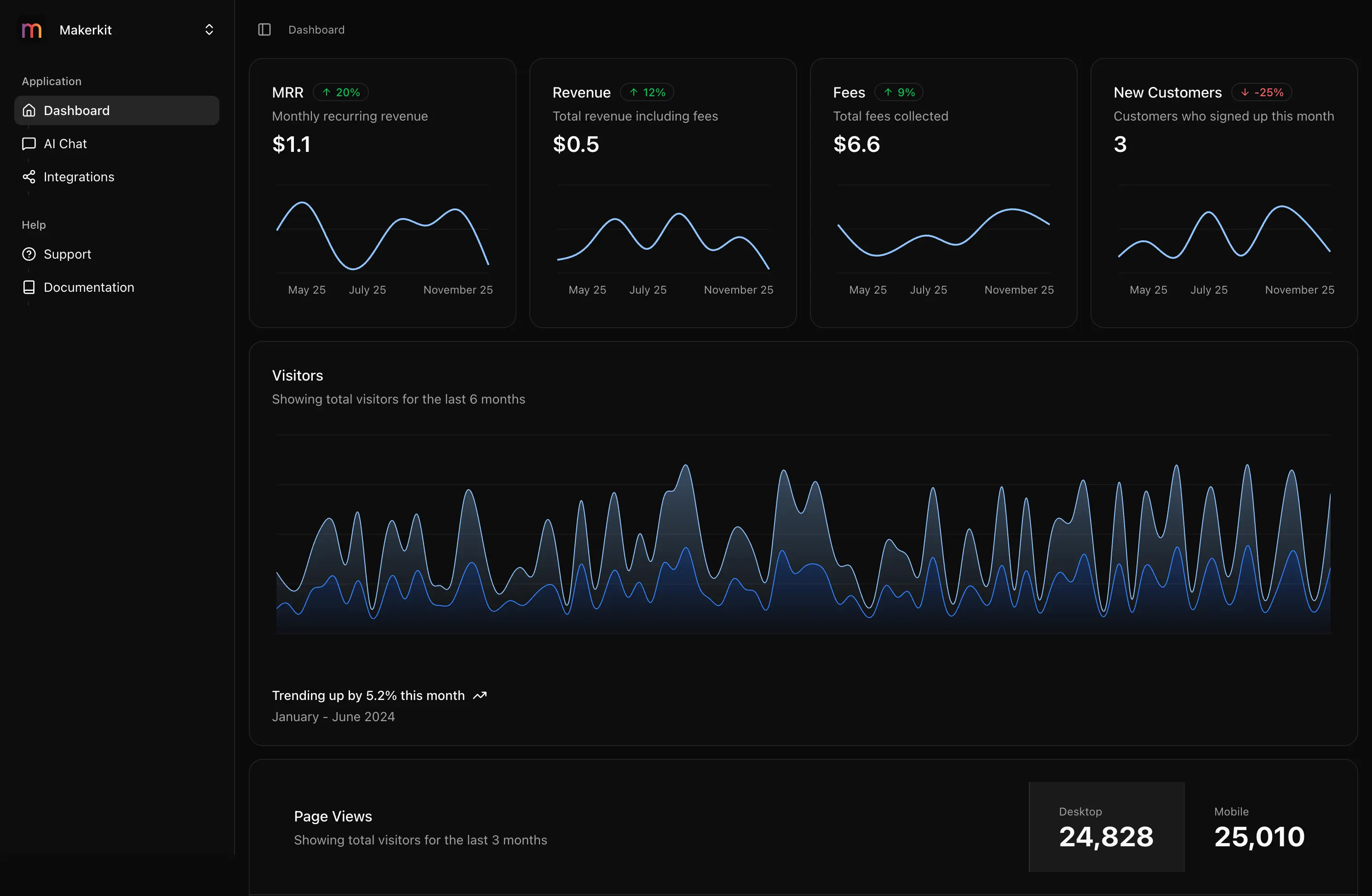
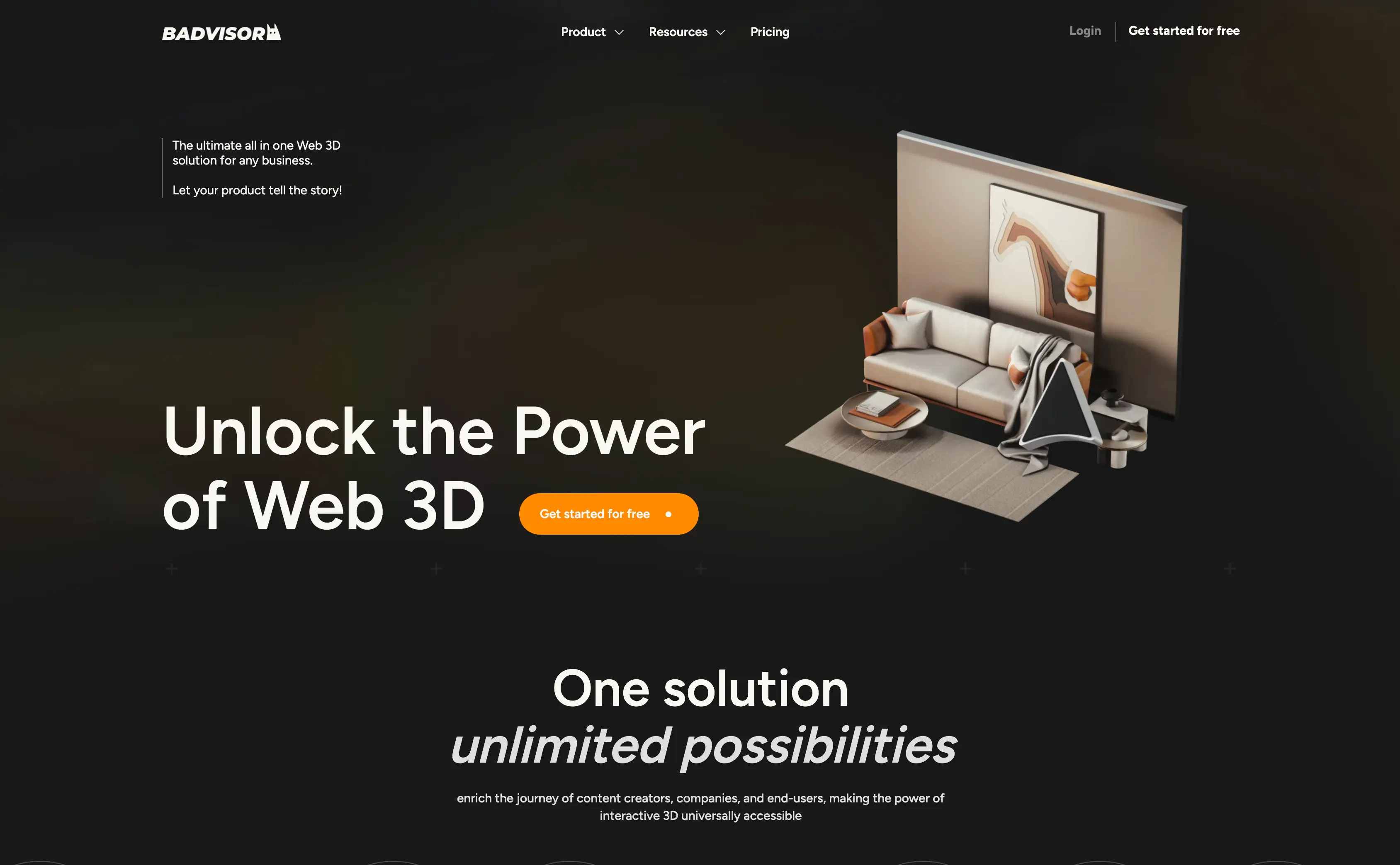
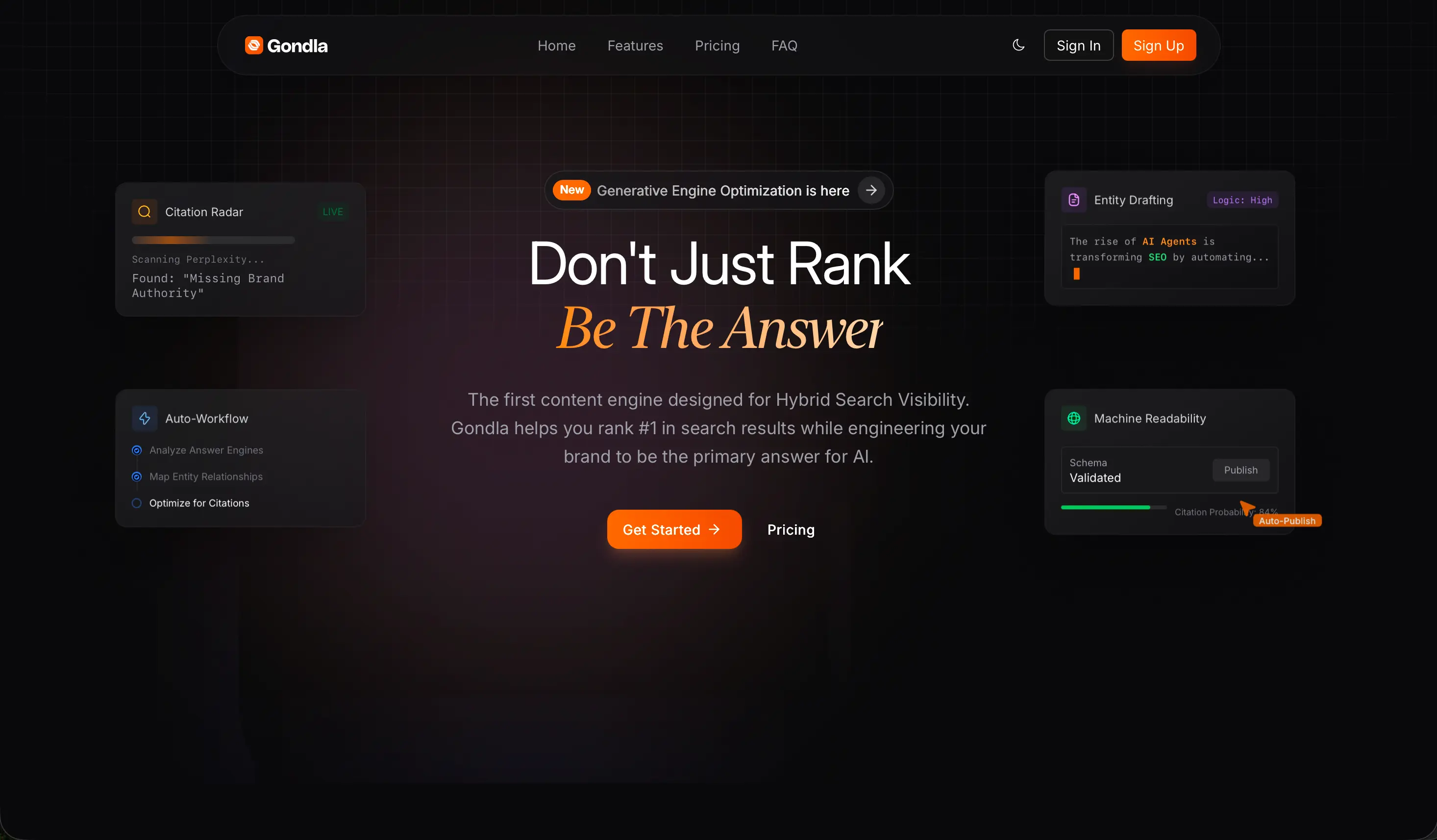
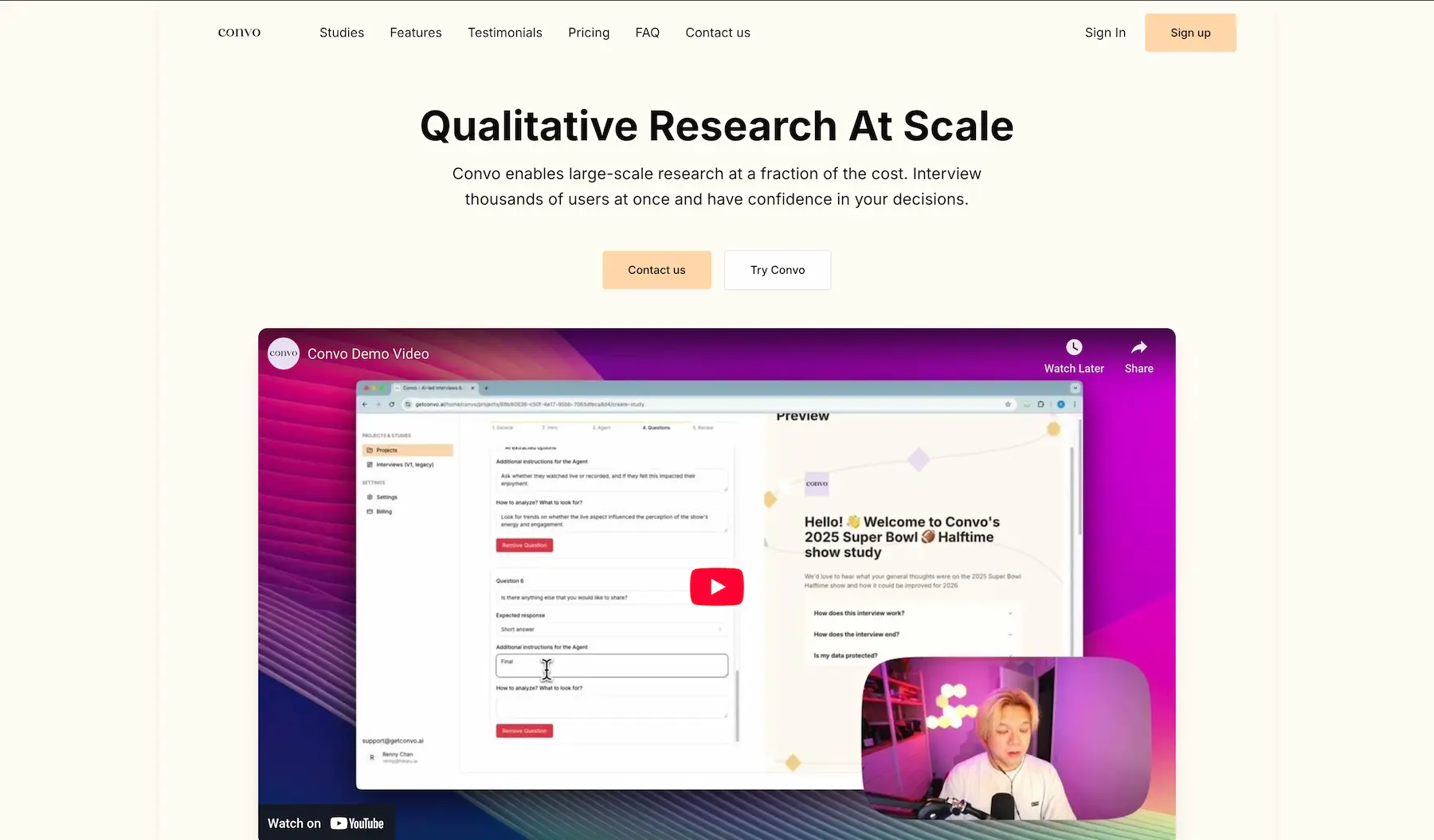
A selection of products MakerKit customers have built on the kits.

I help founders launch faster - because life’s too short to write boilerplate code.
I am a software engineer with almost 15 years of experience writing code for both startups and enterprises.
My love for creating digital products inspired me to build Makerkit, a SaaS Starter Kit that helps you launch the SaaS you have always dreamed of.
My job is to help you achieve your goals, and I work hard to make it happen.
You can find me on Twitter, LinkedIn, and GitHub.
Outgrowing a single-user MVP? Choose MakerKit.
Teams, seat billing, and tenant isolation on a framework every developer and coding agent knows, maintained full-time since 2022 and paid for by customers. Get lifetime access and skip the rewrite.
Why Wasp and Open SaaS are popular
Wasp is a full-stack framework: you describe the app in a declarative spec file (main.wasp or main.wasp.ts), and the Wasp compiler generates a React, Node.js (Express), and Prisma application. Open SaaS is the free SaaS template built on it, MIT licensed, with about 16k GitHub stars as of September 2026.
For an open-source SaaS starter, Open SaaS covers a lot: email and social auth (Google, GitHub, Slack, Microsoft), Stripe, Polar, or Lemon Squeezy payments, an admin dashboard, analytics, S3 file uploads, a docs site and blog, Playwright tests, and agent files for Claude Code. The Wasp CLI deploys it to Railway or Fly.io with one command. For an MVP, that is a fast and cheap start, and there is less generated code for you to read.
Migrating from Open SaaS to MakerKit
There is no automatic converter. Because Wasp already runs on React and Prisma, the move is shorter than most: your components and your Prisma models come with you, and the Wasp-specific layer is what you replace.
| In Wasp Open SaaS | In MakerKit | What you rewrite |
|---|---|---|
| main.wasp routes and pages | Next.js App Router folders under the personal or team account | Each route declaration becomes a folder with a page.tsx. Your React page components mostly carry over as they are. |
| Prisma schema (schema.prisma) | The Prisma kit schema in packages/database/src/prisma/schema.prisma | Copy your models, then add an organizationId foreign key to tenant data. Drop the auth models; Better Auth brings its own. |
| Wasp queries (useQuery) | Server components that read with Prisma, Drizzle, or Supabase | Move each query body into a server-side loader. The client fetching layer goes away for most reads. |
| Wasp actions | Server actions built on the kit action clients (authenticated, organization, admin) | Keep the business logic, validate input with Zod, and replace hand-written user checks with the organization-scoped client. |
| Wasp auth (email, Google, GitHub, Slack, Microsoft) | Better Auth (Drizzle and Prisma kits) or Supabase Auth (Supabase kits), with OAuth, magic links, MFA, and passkeys | Register new OAuth callback URLs and import users. Plan for existing sessions to end, and for a password reset if hashes do not carry over. |
| Stripe, Polar, or Lemon Squeezy payments | MakerKit billing gateway with plans defined in config | Stripe and Polar map to the Drizzle and Prisma kits; Lemon Squeezy to the Supabase kits. Recreate plans, point the webhook at MakerKit, and link customer IDs to accounts. |
| Astro Starlight docs and blog | The MakerKit marketing site with blog and documentation | Move your Markdown content across. Landing, pricing, and legal pages are already wired. |
| wasp deploy to Railway or Fly.io | Deployment guides for Vercel, Docker, Railway, and more | Set environment variables on the new host and cut over DNS and the payment webhook together. |
- Pick the kit. Keeping Prisma is the shortest path: the Next.js Prisma SaaS starter kit takes your schema almost as is. Prefer SQL-like queries? The Next.js Drizzle SaaS starter kit. Want Postgres RLS and Lemon Squeezy? The Supabase SaaS starter kit.
- Decide the account mode first: personal-only keeps the app single-user like Open SaaS, hybrid lets you add teams when a customer asks.
- Port the schema, then the queries and actions, then the billing plans. Read the multi-tenant SaaS architecture guide before you add tenant keys to your tables.
- Rehearse the user and customer import on a staging database, then cut over DNS and the payment webhook together.
Wasp and Open SaaS alternative FAQ
Is MakerKit a good Open SaaS alternative?
Yes, if the product will sell to companies. MakerKit ships teams, roles, invitations, and per-seat billing, which were not listed in the Open SaaS feature list when we checked, and it is written in plain Next.js and React rather than a Wasp spec file. If the product will stay single-user and the budget is zero, Open SaaS is the cheaper start.
Wasp vs MakerKit for MVP development: which is faster?
For a single-user MVP, Wasp is quick: the spec generates a lot of wiring and the CLI deploys in one command. For a B2B MVP, MakerKit is faster, because organizations, invitations, roles, and seat billing are already built. If your MVP is version one of the business, starting on MakerKit skips the rewrite when the first team signs up.
Is there an open-source alternative to Open SaaS?
MakerKit Lite is a free, MIT-licensed Next.js SaaS boilerplate with Supabase auth, built on the same Turborepo structure as the paid kits. It does not include billing or teams. The paid MakerKit kits add them under a commercial license.
Is Wasp production ready?
Wasp labels itself Beta and had not reached 1.0 as of September 2026. Its latest release, 0.25, shipped breaking changes with a migration guide, and Wasp's own roadmap post describes the pre-1.0 phase as having non-standard rough edges. Whether that is acceptable depends on how much upgrade work you want alongside your product.
Can I leave Wasp later?
Wasp says you can eject the generated code and continue without the framework. That gives you a React, Express, and Prisma app, but one you did not design and now maintain alone. Starting on a mainstream framework avoids that step.
Should I use Wasp or supastarter for a B2B SaaS?
For B2B, compare kits that ship multi-tenancy. supastarter and MakerKit both do; Open SaaS did not list it when we checked. Our MakerKit vs supastarter page compares the two paid options, including account modes, RLS, and pricing.
Who funds Wasp and MakerKit?
Wasp is a venture-backed company from Y Combinator W21, with about $5.2M raised across seed rounds in 2021 and 2025. MakerKit is funded by the developers who buy it, not by investors, and has been maintained full-time since 2022.
Spotted something out of date about Wasp, Open SaaS, or MakerKit? Please contact us and we will correct it.
Compare other SaaS starter kits
Sources, checked September 2026: Wasp README, Wasp releases, Open SaaS README, Wasp roadmap post (July 2025), Wasp seed round (2021), FinSMEs on the $3.7M seed (April 2025), Next.js weekly downloads (Tim Neutkens, 2026).