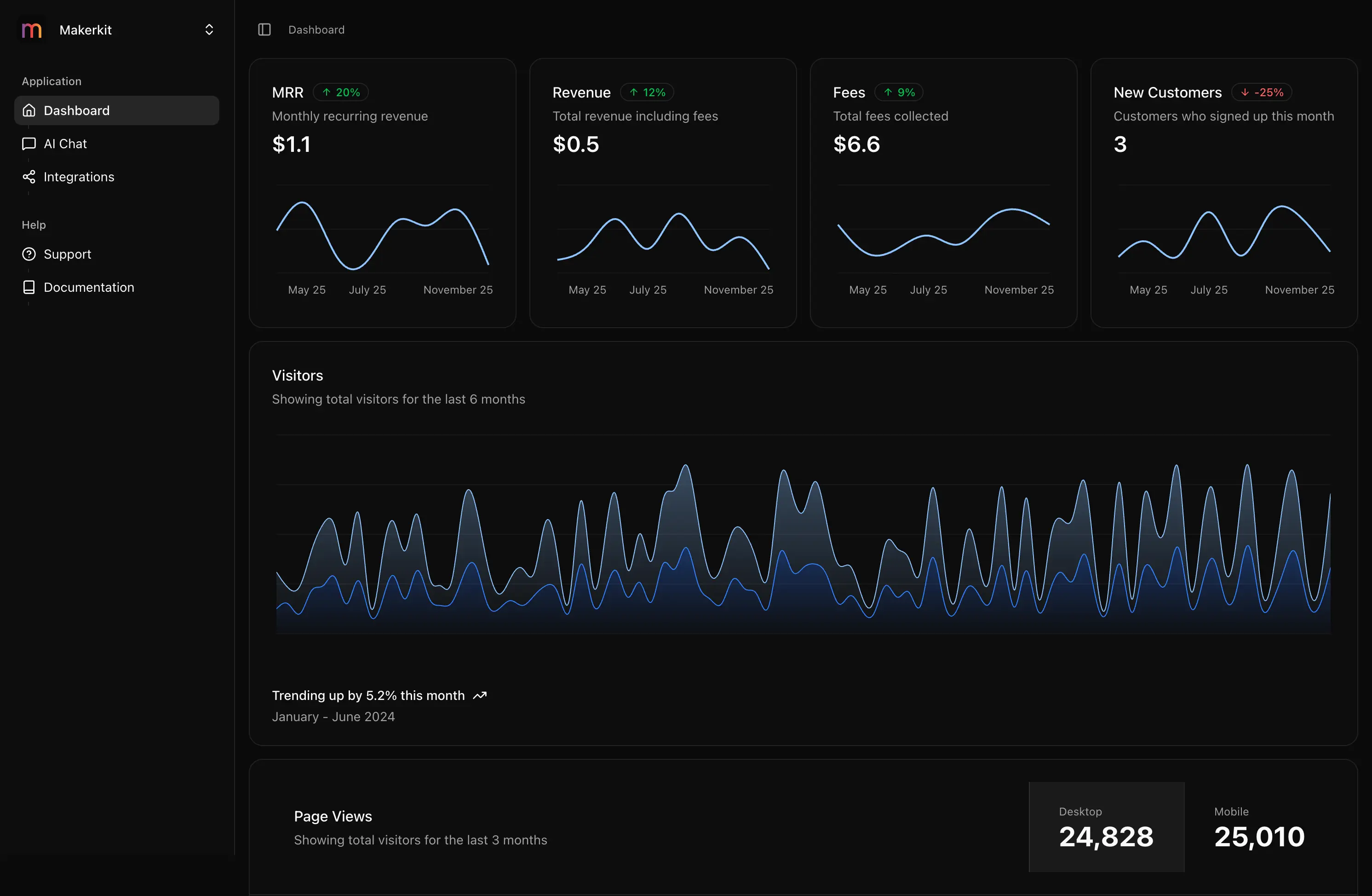
A React Native SaaS starter kit on Expo and Supabase that shares its backend with your Next.js app
Business rules live in RLS and versioned /api/v1 handlers, so old app binaries never enforce stale rules.Sign-in with MFA and OAuth, teams, members, invitations, and roles are native screens, not a WebView.Checkout stays on the web to avoid the 15% to 30% app-store commission.
Authentication
Billing and Subscriptions
Customer Portal
Multi Tenancy
Super Admin
Shadcn UI and Tailwind CSS
Dark Theme
Blog
Documentation/Help Center
Mobile Friendly
Serverful/Serverless Stack
Strict code standards
E2E Testing with Playwright
Emails with React Email
Mailers
Plugins
You Own the Code
Documentation
SEO Basics
Swappable Providers
AI Agent Rules
MCP Server
Course
Realtime Notifications (Supabase)
Internationalization
Figma UI Kit
Support
Community
Guides
Continuous Updates
Maintained Full-Time
Since 2022
Rules and an MCP server for AI agents and IDEs: Claude Code, Codex, Gemini, and Cursor
Instruction files tell the agent where code goes and which patterns to reuse. The MCP server gives it structured access to the kit, so features land on the existing auth, tenancy, and billing instead of beside them.




A production-ready React Native SaaS Starter KitThe setup, stack, and tooling are decided, so your first commit is a product feature.
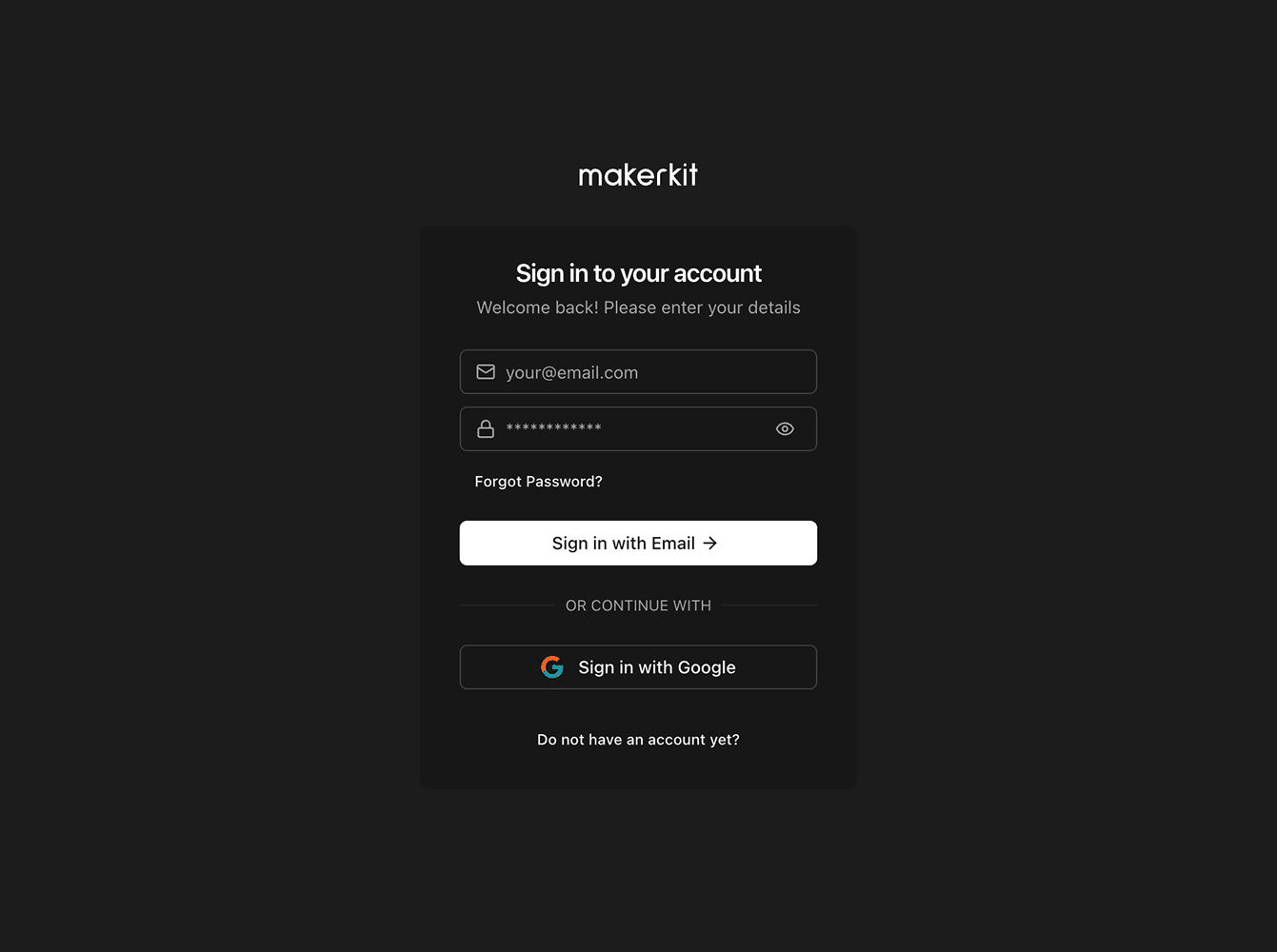
Authentication on web and mobileThe same Supabase Auth users on both apps. On mobile, sessions live in the Keychain or Keystore and email flows use typed codes instead of links.
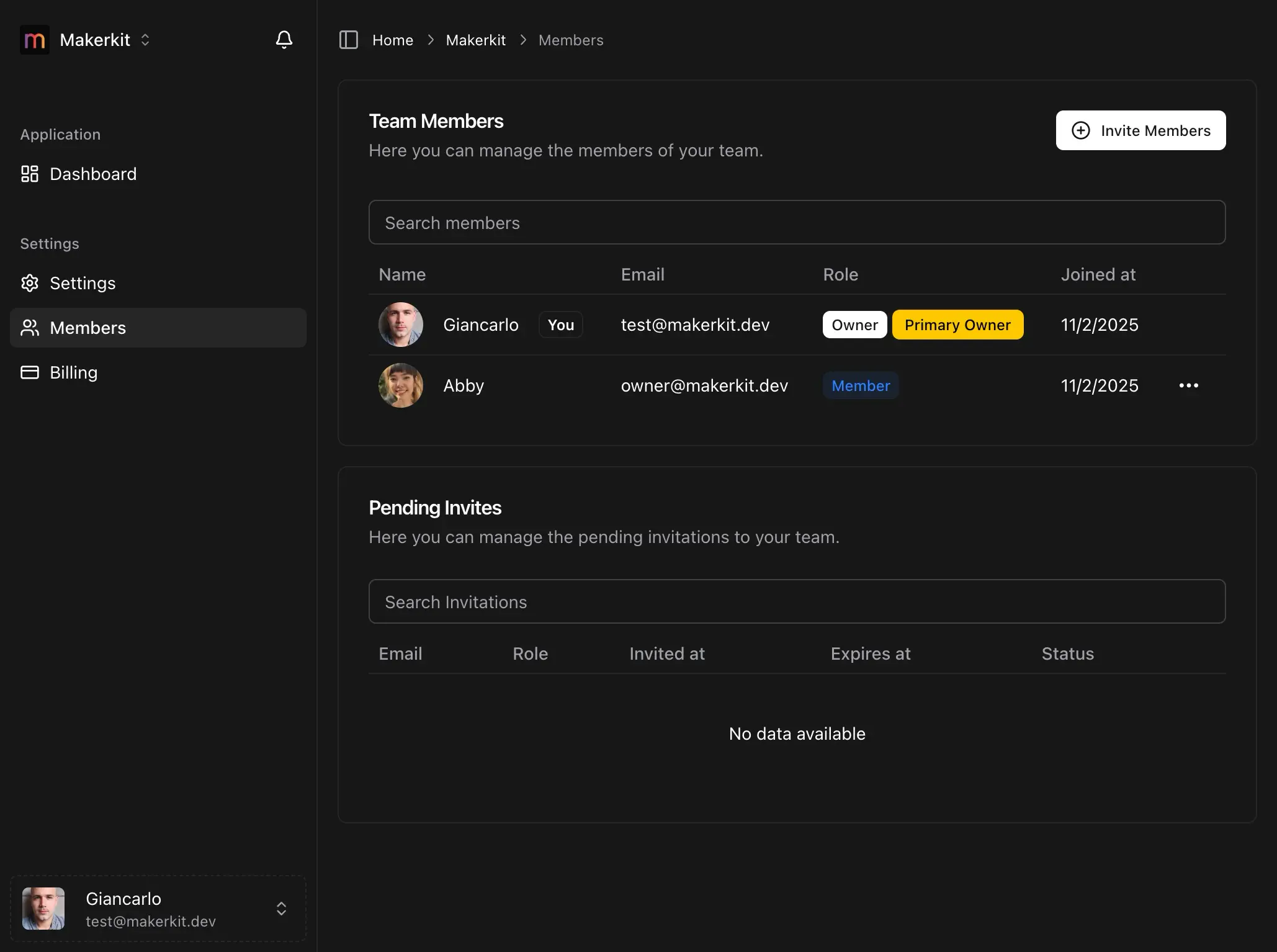
Multi-Tenancy on web and mobileTeams, members, invitations, and roles work natively, enforced by the same RLS policies and services as the web app.
Billing, kept on the webCheckout and the customer portal run on the web app. The mobile app shows subscription status, and seat counts update when members change on mobile.
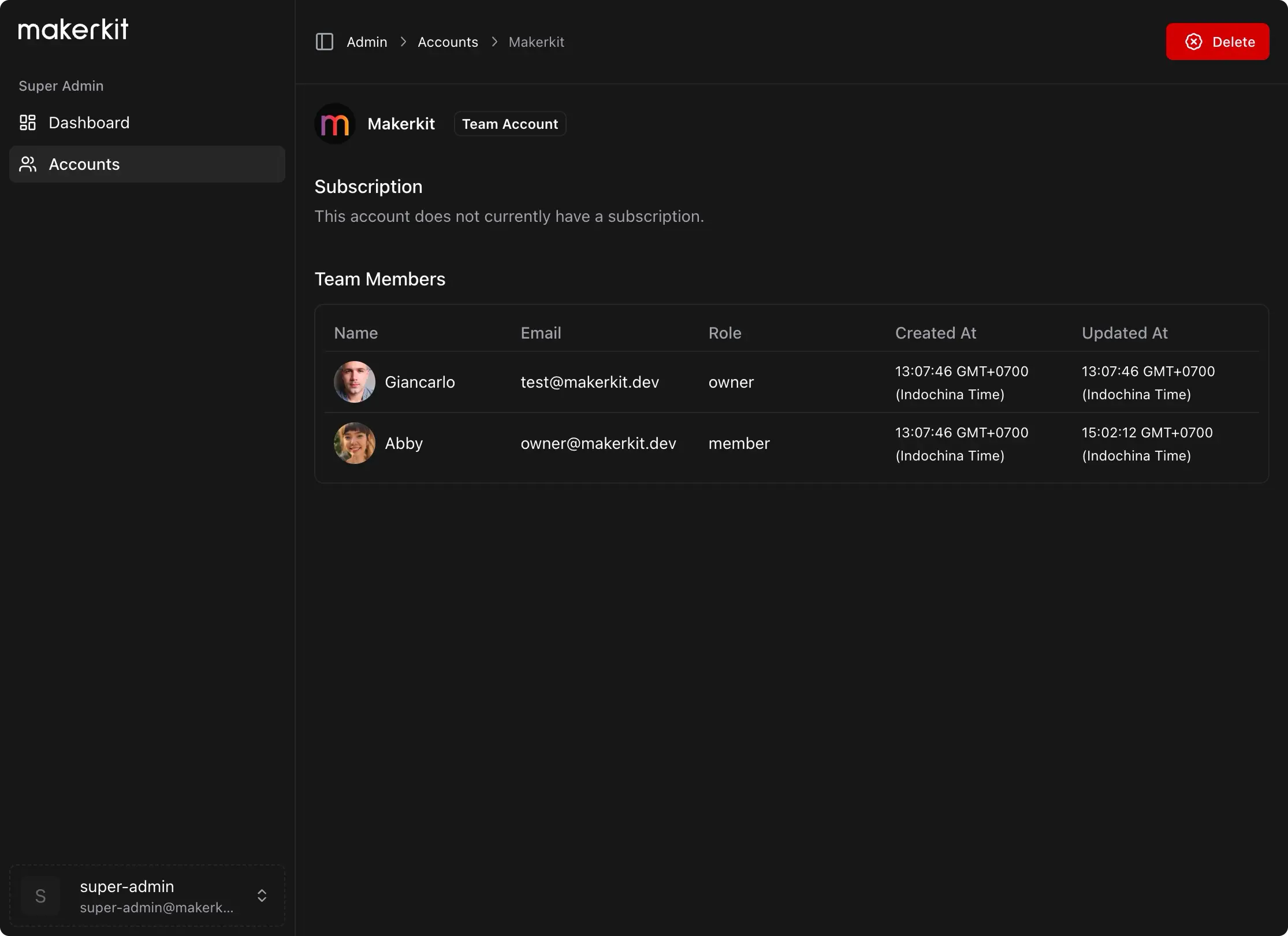
Admin PanelManage your users, organizations, and build your own internal tooling within the app.
Delightful UI, Built to ExtendScreens for every flow, built from the same Shadcn UI components you will use for your own features.
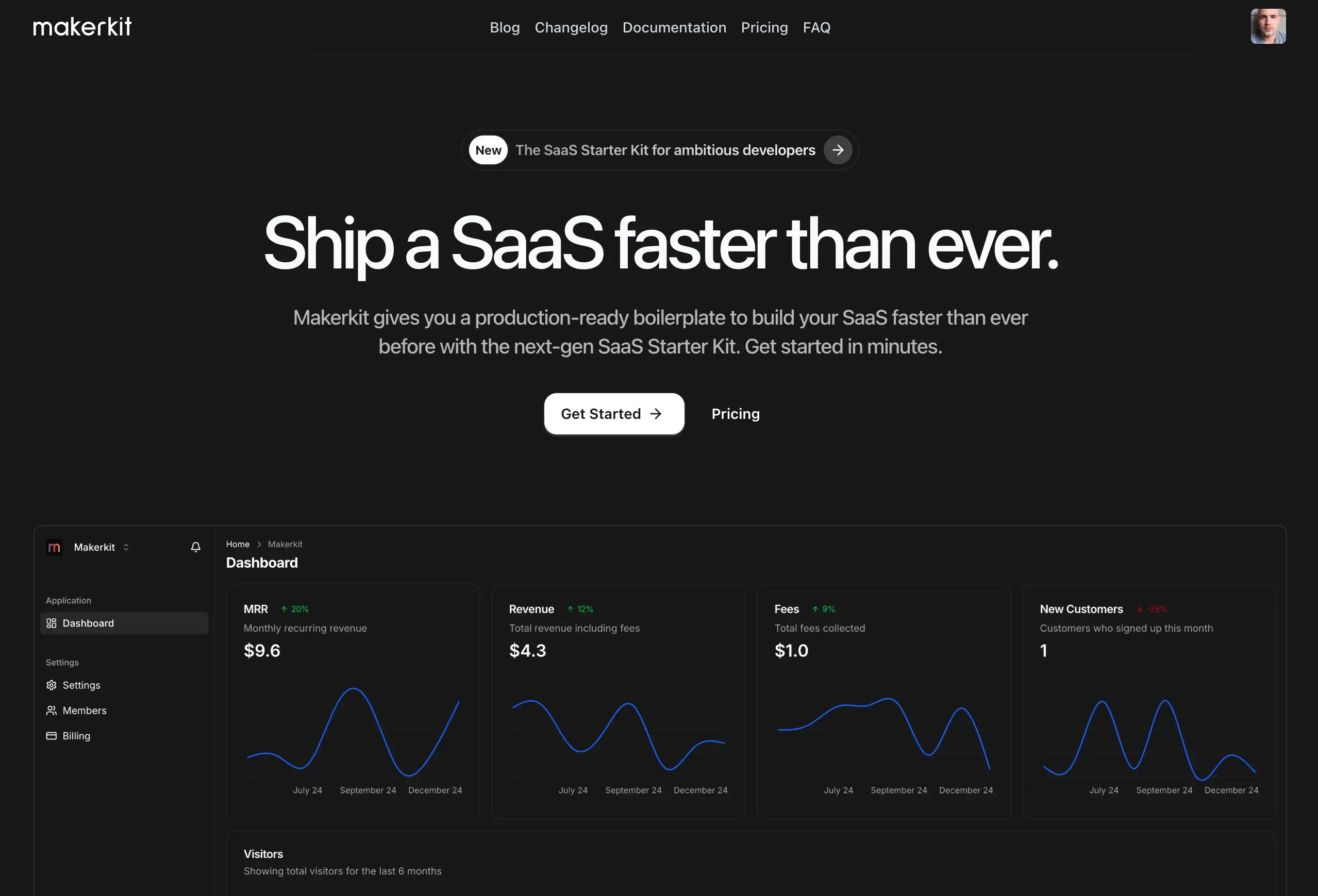
MarketingGet found by your target audience with blog, documentation, changelog, and more.
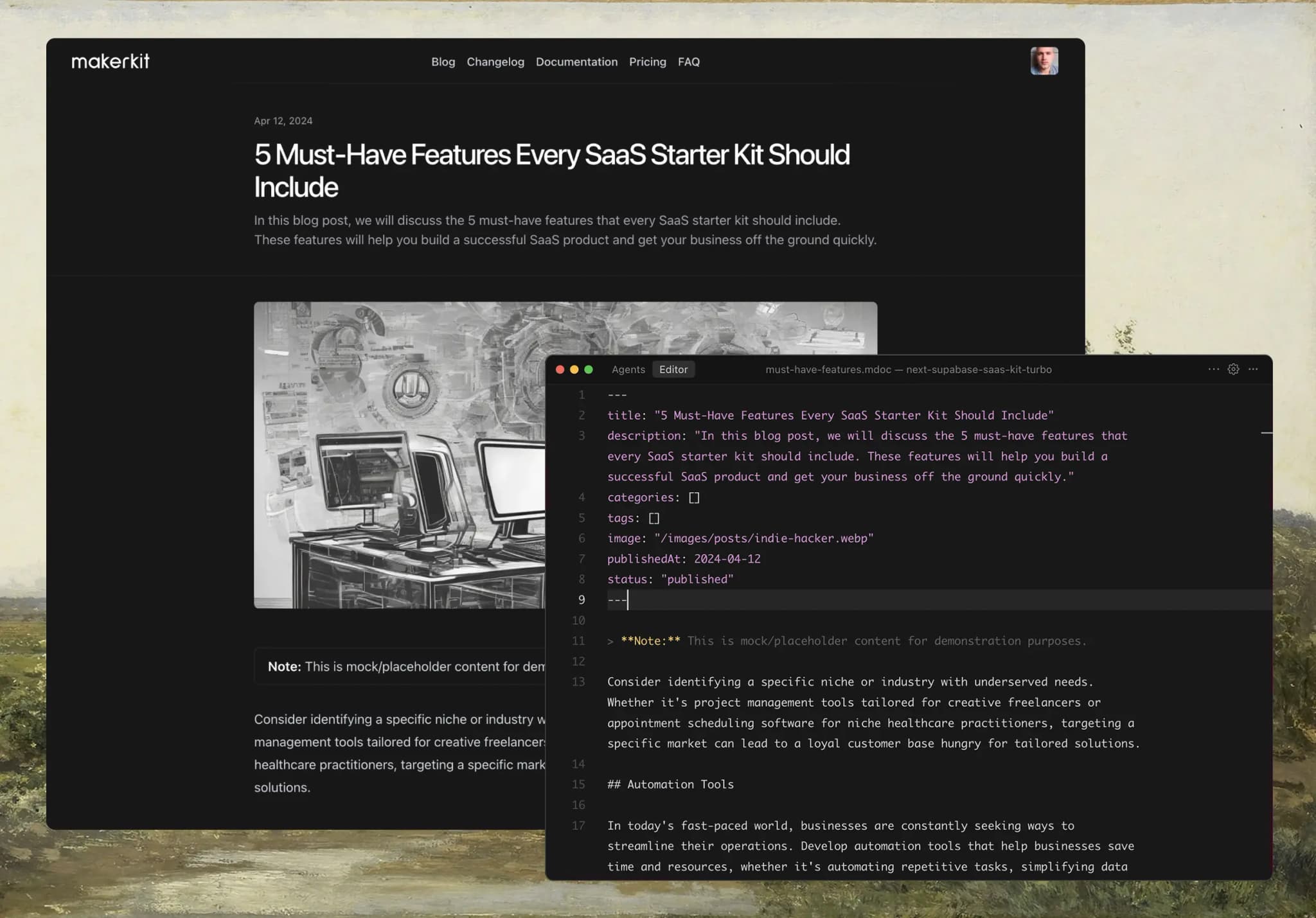
Monitoring and TestingComprehensive monitoring and testing tools to help you keep your SaaS running smoothly.
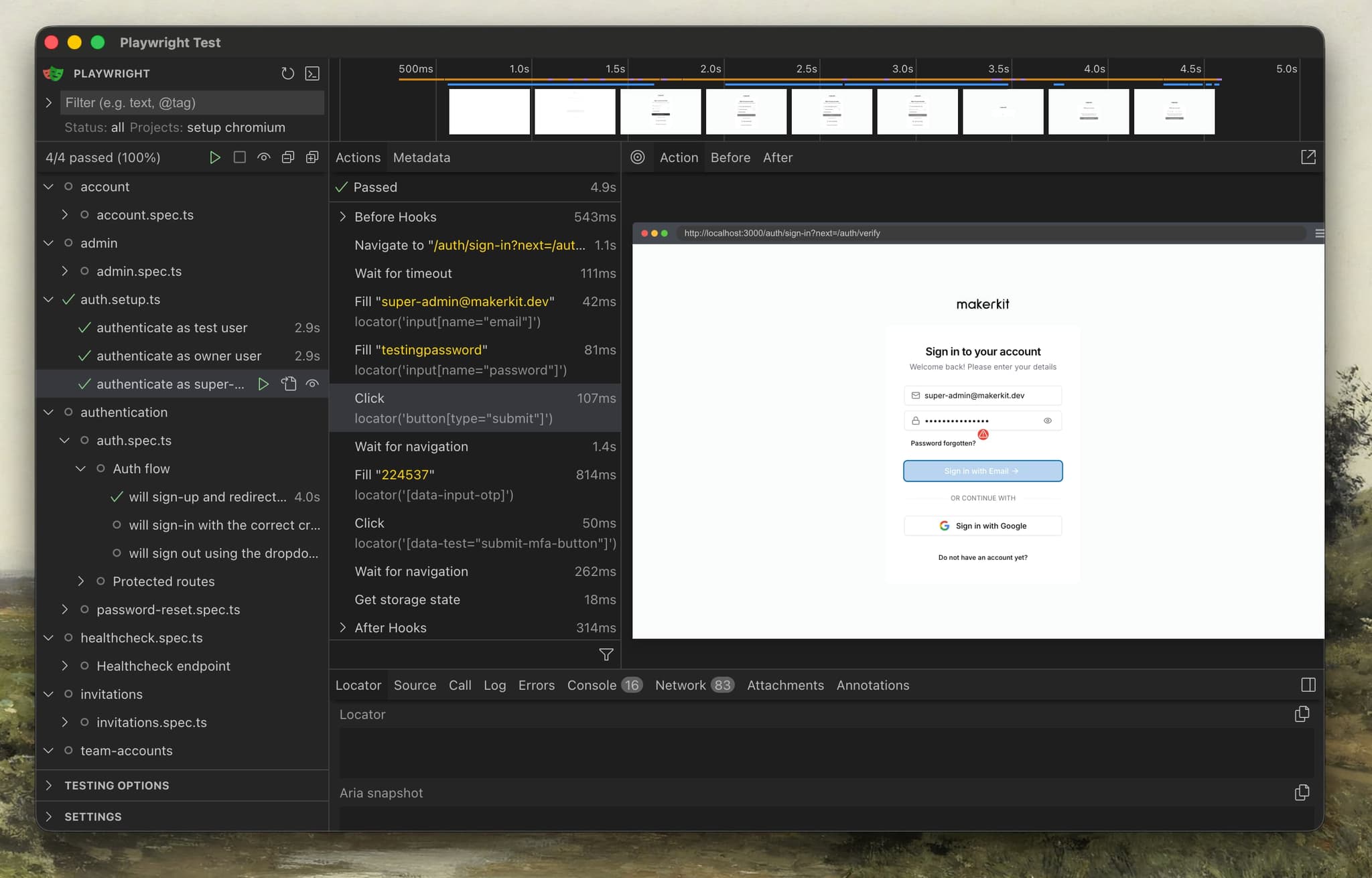
Support and CommunityAsk me and the MakerKit community on Discord about setup, kit-related issues, and how the codebase fits together.
A mobile app should not need a second backend
The table covers the web SaaS the Expo app shares its backend with. Without it, you build these rows once for web and again for the API your app calls. With AI coding tools, that is still 49-81 hours of senior developer time, including fixing the patterns AI got wrong.
Build once
Infrastructure every SaaS needs before its first feature
- Authentication (email, OAuth, MFA)6-10 hoursPre-built
- Stripe subscription billing5-8 hoursPre-built
- Teams, roles & invitations6-10 hoursPre-built
- Super admin dashboard4-6 hoursPre-built
- Transactional emails3-5 hoursPre-built
- Marketing pages2-4 hoursPre-built
- Blog & documentation3-5 hoursPre-built
- Project setup (monorepo, CI, TypeScript)2-3 hoursPre-built
- E2E tests (auth and billing flows)3-5 hoursPre-built
Maintain forever
Work that keeps coming after launch
- Refactoring AI-generated patterns15-25 hoursNot needed
- Next.js/React version upgradesEvery major releaseIncluded
- Security patches & fixesOngoing, unpredictableIncluded
- Dependency updatesOngoingIncluded
49-81 hours
With AI tools, including rework
Day 1
Start building your product immediately
$7,350-$12,150
In developer time and opportunity cost
Estimates for a senior developer building from scratch with Claude Code or Cursor at $150/hour, including 15-25 hours refactoring AI-generated patterns. Read the methodology
Get the React Native SaaS Starter Kit
The Expo kit is a variant of the Next.js Supabase kit. One-time purchase: lifetime license, continuous updates, unlimited projects of your own.
- Lifetime access to your stack of choice
- Build unlimited applications
- Continuous updates
- Access to the Discord community
- The best support in the SaaS Starter kits market, period.
- Community and Chat support
- Community-based feature requests and Request for Comments. You have a say in what Makerkit should build next.
- One-time payment, no subscriptions
- Includes access to our free Figma UI kit
Pro A B2B SaaS Starter Kit for individual developers.
| Teams A B2B SaaS Starter Kit for teams of developers or companies.
|
Questions about licensing?
Read the MakerKit license terms and the MakerKit FAQ, or contact me.
The React Native SaaS Starter Kit for web and mobile
An Expo starter kit and a Next.js app in one monorepo, against one Supabase project. Authentication, teams, members, and roles work natively on iOS and Android.
What is the MakerKit React Native SaaS Starter Kit?
MakerKit for React Native is an Expo SaaS starter kit that ships an iOS and Android app alongside a Next.js web app. Both apps share one Supabase project, one set of Postgres RLS policies, and the same validation schemas, with the native app reading and writing through a versioned REST API served by the web app.
Best for
- Teams on the MakerKit Next.js Supabase kit who need a mobile app without a second backend
- New B2B products where mobile is planned from the start
- Developers who want native screens, not a WebView wrapper
Not for
- Apps that must sell subscriptions through in-app purchase; checkout stays on the web
- Projects on the Drizzle, Prisma, React Router, or TanStack Start kits; the Expo plugin installs only on Next.js Supabase
- Teams that need push notifications on day one; they are planned, not built
Native, not a WebView
Every screen is a React Native screen built with expo-router and React Native Reusables primitives.
One backend, two apps
The app calls the web app’s versioned /api/v1 handlers, so each business rule has one implementation.
Same RLS, same roles
Teams, members, invitations, and role changes run through the same RLS policies and services as the web app.
Mobile-grade sessions
Sessions live in the Keychain or Keystore, and email flows use typed codes, so no deep-link setup is needed.
Store-aware billing
Checkout stays on the web to avoid the 15% to 30% commission; seat counts still update from mobile.
Install as a plugin
Add the Expo app to an existing MakerKit 4.x Next.js Supabase project with one idempotent CLI command.
With and without MakerKit
React Native SaaS Starter Kit FAQ
What is the React Native SaaS Starter Kit?
A MakerKit kit with a Next.js web app and an Expo (React Native) app in the same monorepo, sharing one Supabase project, one set of Postgres RLS policies, and the same validation schemas. The native app covers authentication, personal accounts, team accounts, members, invitations, and role-based permissions on iOS and Android.
Does the mobile app query Supabase directly?
Only for auth, MFA, and file uploads. Everything else goes through versioned /api/v1 route handlers in the web app, so business rules live in one place you can redeploy, and an old app binary installed on a phone never enforces an outdated version of them.
Can I add the mobile app to my existing MakerKit project?
Yes, if you are on MakerKit 4.x and the Next.js Supabase variant. Running "npx @makerkit/cli@latest plugins add expo" copies the Expo app, the mobile UI package, and the versioned API routes into your repository, then wires up your config. Every step is idempotent, and an interrupted install rolls back instead of leaving a half-installed app.
Can users subscribe inside the mobile app?
No, by design. Selling digital subscriptions inside a mobile app requires platform in-app purchase, which carries a 15% to 30% commission and anti-steering rules, and shares no code with Stripe or Lemon Squeezy. Checkout stays on the web, the app shows subscription status, and per-seat counts stay correct when members change on mobile.
What is not in the mobile app yet?
Push notifications, in-app notifications, magic link sign-in, and passkey sign-in are planned but not built. Billing checkout, the super admin, and marketing pages stay on the web on purpose. The docs keep a feature matrix with the status of every feature.
What versions does the React Native kit target?
Expo SDK 57 and React Native 0.86, with React 19, expo-router for navigation, TanStack Query for data fetching, and Tailwind v4 compiled for React Native through Uniwind. It needs a development build rather than Expo Go, because it depends on native modules that ship config plugins.
Is MakerKit a one-time purchase or a subscription?
A one-time purchase. You get a lifetime license to the source code, continuous updates for the stack you bought, and unlimited projects for your own business, with no renewal fee. Building products for clients requires a Team license, and each client that receives the code needs their own license.
What support is included?
Discord support from me, Giancarlo, the founder who works on MakerKit full-time, and from the community. I help with setup, kit-related issues, and questions about the codebase. Team licenses add a private Discord channel for your team.
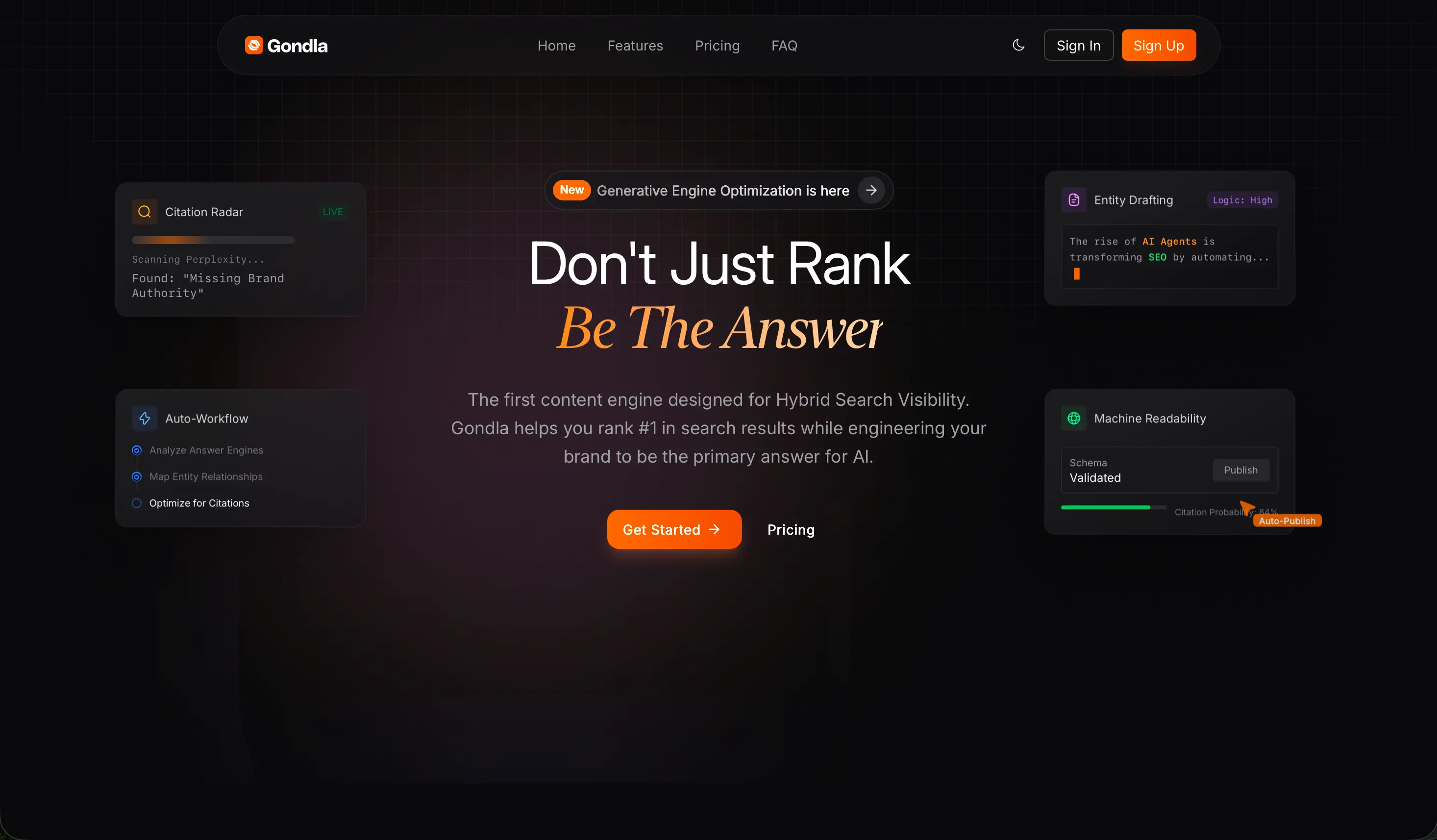
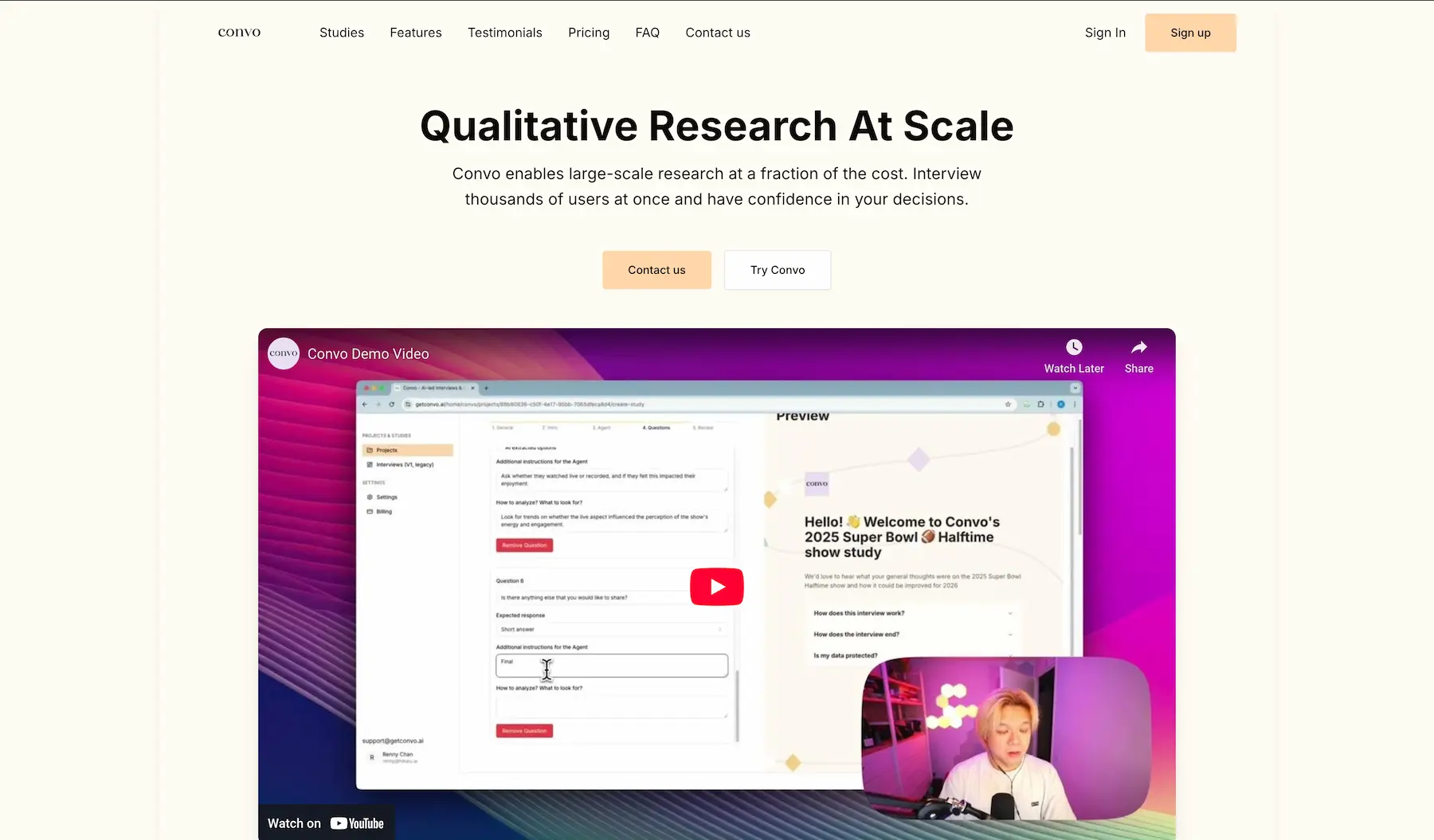
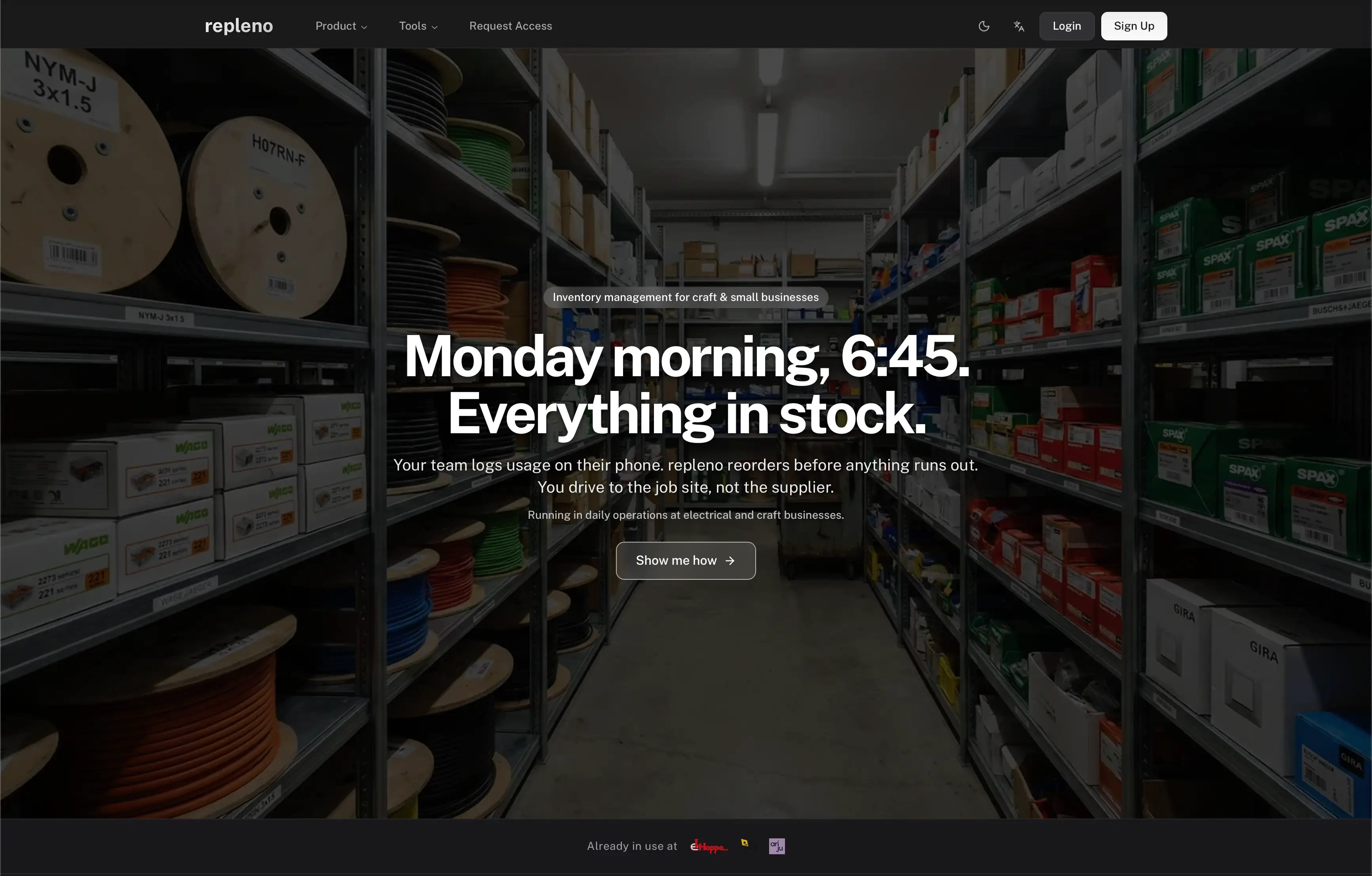
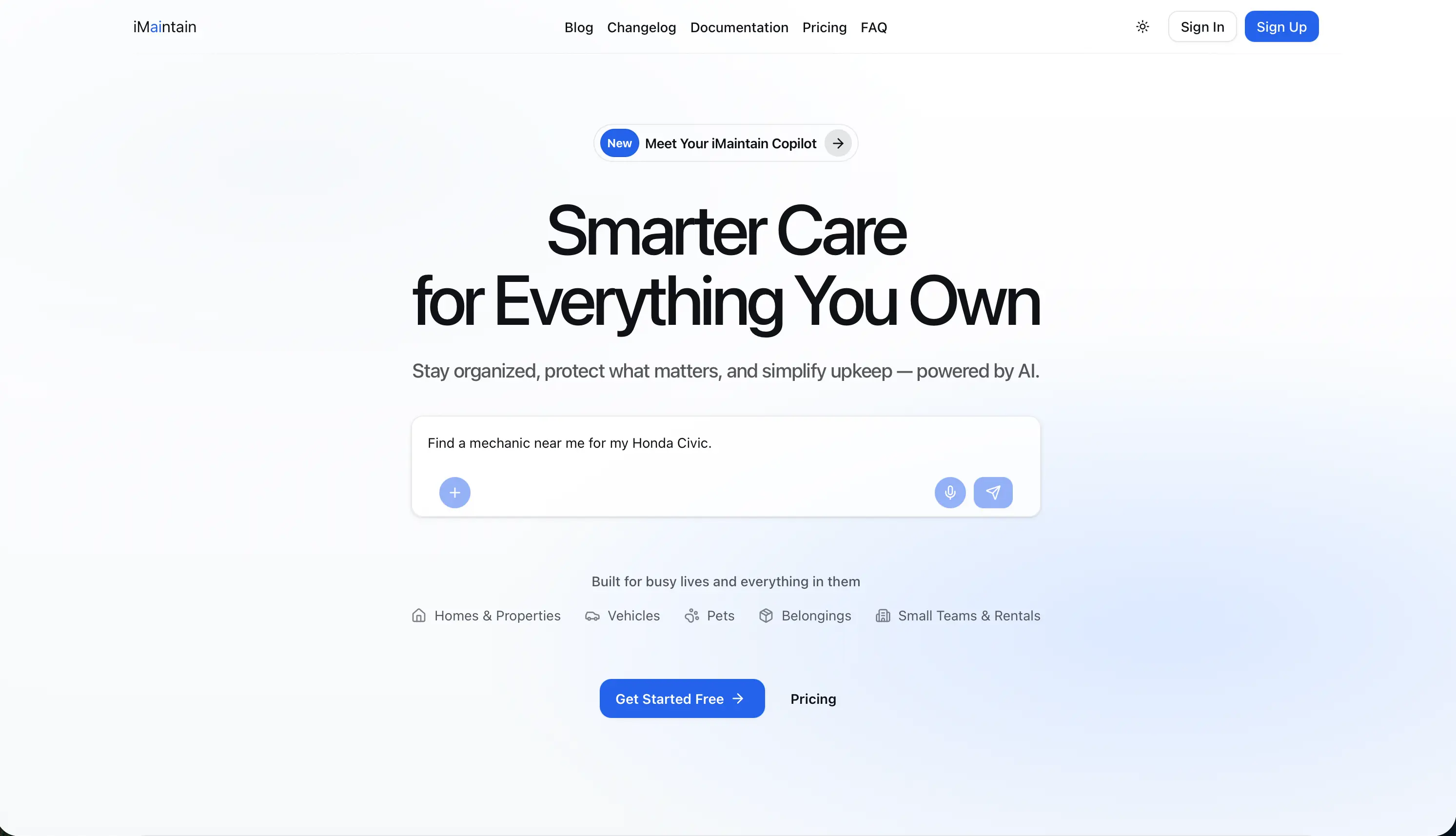
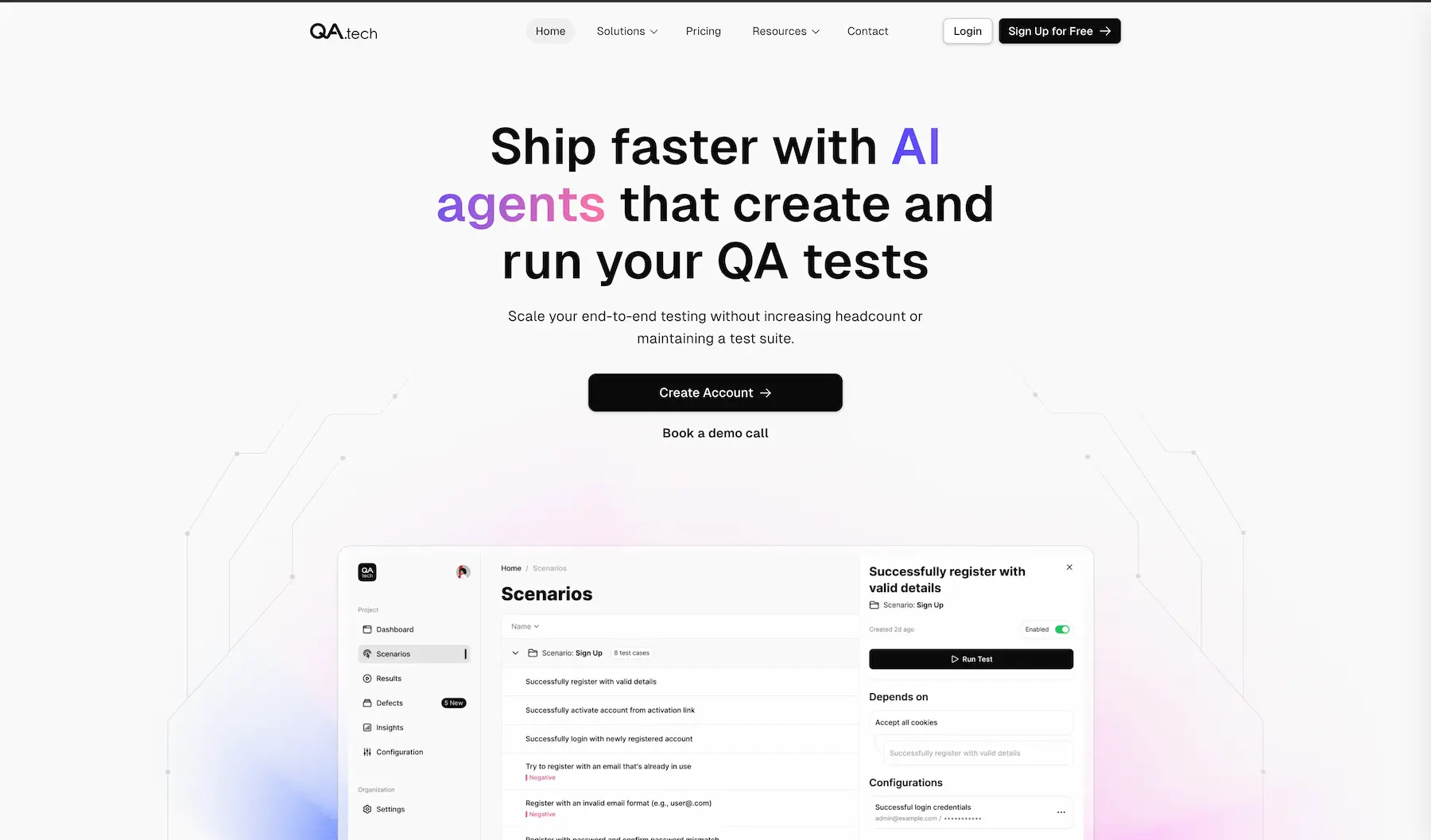
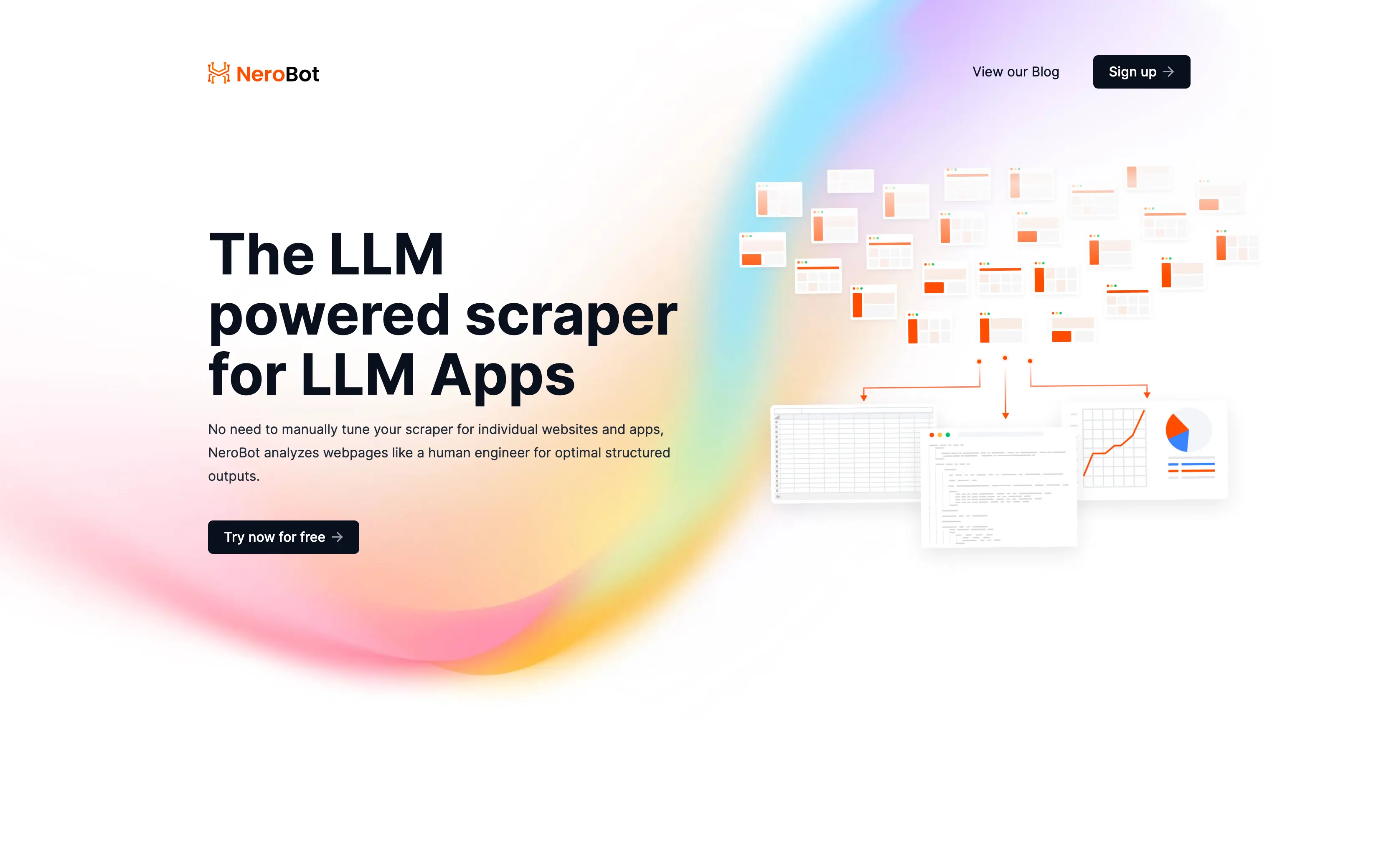
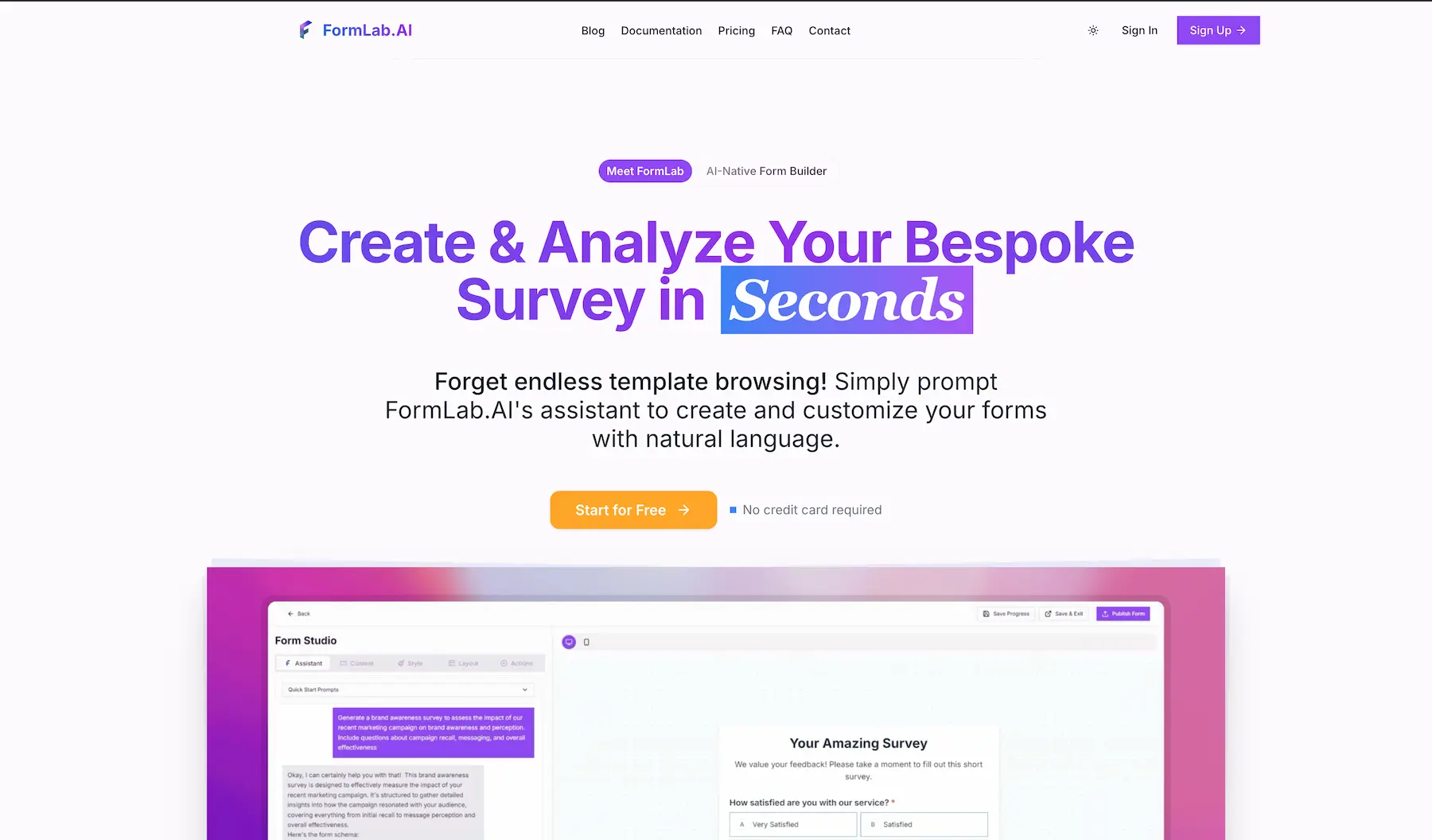
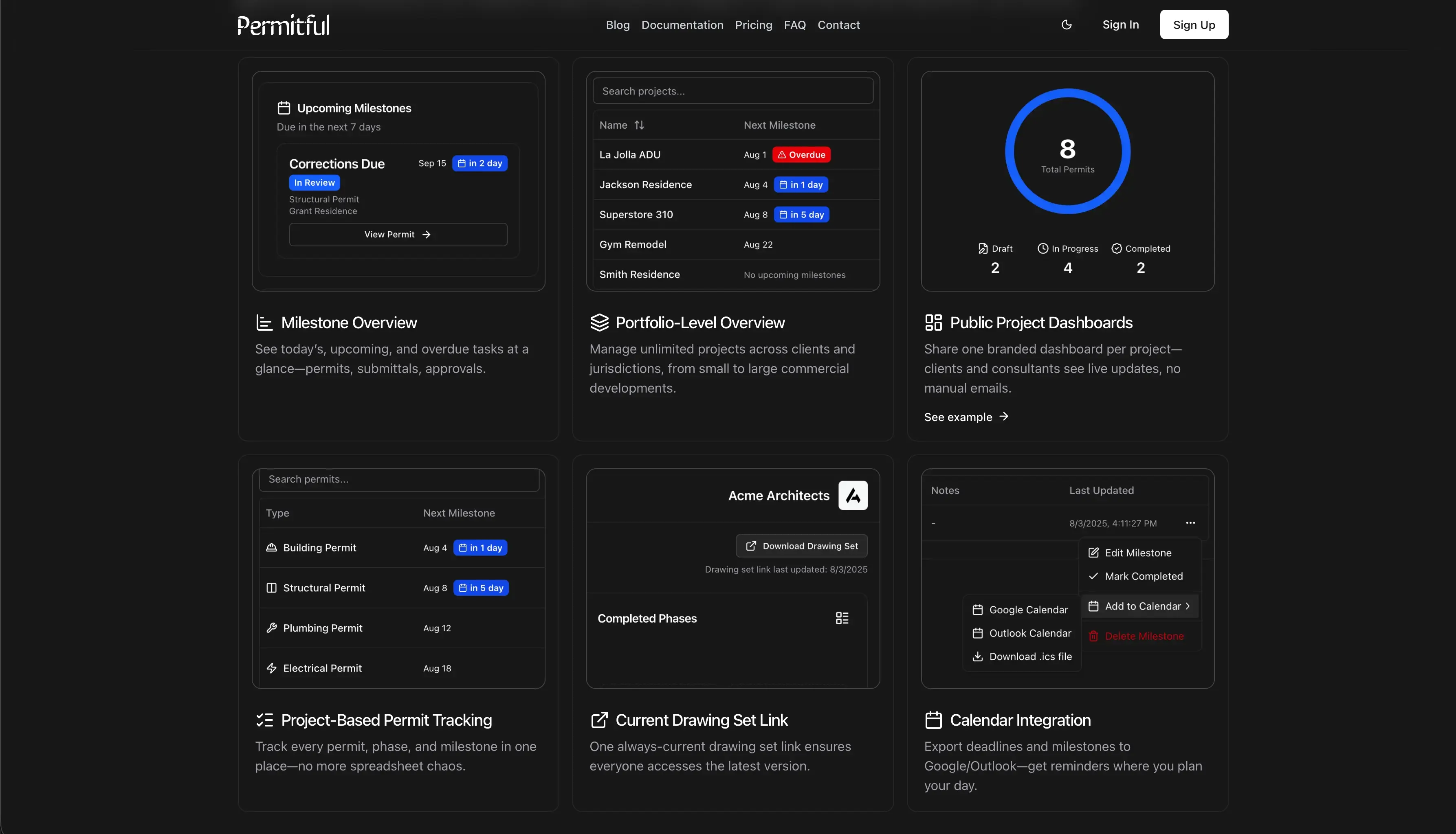
SaaS products built with MakerKit
A selection of products MakerKit customers have built on the kits.

I help founders launch faster - because life’s too short to write boilerplate code.
I am a software engineer with almost 15 years of experience writing code for both startups and enterprises.
My love for creating digital products inspired me to build Makerkit, a SaaS Starter Kit that helps you launch the SaaS you have always dreamed of.
My job is to help you achieve your goals, and I work hard to make it happen.
You can find me on Twitter, LinkedIn, and GitHub.
Need a mobile app for your SaaS without a second backend?
Start from the Expo kit, or add it to your MakerKit 4.x Next.js Supabase project with one command. Your web app, RLS policies, and billing stay where they are.