MakerKit vs IndieKit Pro: the short answer
Choose MakerKit if you are building B2B and want to confirm how each feature works before you pay: multi-tenancy, seat and metered billing, the admin panel, tests, and deployment are all documented publicly, and the kit adds an MCP server and a Supabase edition with Row Level Security. Choose IndieKit Pro if the lowest price, built-in background jobs, and founder mentorship matter most.
We build MakerKit, so we are not neutral. IndieKit features below are taken from its public site as of September 2026; where we could not confirm how a feature is implemented, the table says so.
Why developers look for an IndieKit alternative
- A feature list is not an implementation. "Multi-tenancy" can mean an organization column or a permission model enforced on every query. MakerKit's public documentation (around 180 pages per Next.js kit) shows the schema, the role checks, and the billing webhooks before you pay.
- Tenant isolation in the database. On the MakerKit Supabase kits, Postgres RLS policies decide which account can read each row, so a missed check in application code does not leak another team's data.
- Tests they can run on day one. MakerKit ships a Playwright suite for sign-up, team invitations, and billing. We could not find a documented test suite for IndieKit.
- Agent tooling beyond rules. Both kits ship AI rules. MakerKit adds an MCP server so Claude Code, Cursor, or Codex get structured access to the kit's conventions.
MakerKit vs IndieKit Pro: feature comparison
A green check means the feature is documented with implementation details. "Listed" means the vendor's site names the feature but we could not confirm how it works. IndieKit checked September 2026.
| Feature | MakerKit | IndieKit Pro |
|---|---|---|
| Entry price | Pro license, one-time | Lower paid entry tier; check indiekit.pro for current pricing |
| Public docs you can read before buying | Around 180 pages per Next.js kit | Implementation depth varies by feature |
| Multi-tenancy (orgs/teams, invites, roles) | Team accounts with invitations and role-based permissions | Listed: organizations, invitations, roles |
| Account modes (personal/team/hybrid) | Personal-only, team-only, or hybrid via feature flags | Not documented |
| Seat-based billing | Per-seat plans documented in every kit | Listed: organization-level billing |
| Usage limits and metered billing | Plan limits, metered usage; credits recipe on the Supabase kits | Listed: quotas and plan management |
| Payment providers | Stripe or Lemon Squeezy (Supabase kits); Stripe or Polar (Drizzle, Prisma) | Listed: several providers |
| Super admin panel | View, impersonate, and ban users | Listed: super-admin dashboards |
| Background and scheduled jobs | Database webhooks on the Supabase kits; bring your own job runner | Listed as built in |
| AI rules for coding assistants | AGENTS.md; rules for Claude Code, Cursor, Codex, Gemini, Windsurf | Core positioning: AI rules and skills |
| MCP server for coding agents | Included and documented | Not documented |
| Playwright E2E tests | Suite covering auth, billing, and team flows | Not documented |
| Internationalization (i18n) | Fully translatable UI | Not documented |
| Docker and Cloudflare deployment | Docker in every Next.js kit; Cloudflare guide on the Supabase kit | Not documented |
| Frameworks and mobile | Next.js, TanStack Start, React Router, Expo (iOS and Android) | Next.js |
| Founder mentorship | Discord support for the kit, not business mentorship | Part of the offer |
Legend: green check, documented first-class feature. Yellow minus, listed or partial; verify it yourself. Grey circle, not documented when we checked.
Where MakerKit wins, and where IndieKit Pro wins
MakerKit is the better buy if
- You sell to teams and want the tenancy and permission model documented, tested, and, on the Supabase kits, enforced by RLS.
- You want to verify the product before paying, through the docs and the dated changelog.
- You need i18n, Docker or Cloudflare deployment, or a Playwright suite from the start.
- You may need TanStack Start, React Router, or an iOS and Android app later.
IndieKit Pro is the better buy if
- Paid entry price decides it. IndieKit's entry tier is listed below MakerKit Pro.
- You want background and scheduled jobs wired in rather than adding your own job runner.
- Founder mentorship and a community focused on indie launches are part of what you are buying.
What you get with MakerKit
- The license: a one-time purchase that adds you to the private GitHub repository, with lifetime updates and unlimited products for your own business. See the license terms for Developer and Team licenses.
- Support: the Discord community, where the maintainer answers kit questions. Team licenses add a private channel.
- Try before you buy: the documentation is public, so you can read the architecture before paying. Because you receive the full source, refunds are generally not offered once repository access is redeemed; details in the FAQ.
Check each row against the docs before you buy
A cheaper kit only saves money if it covers these rows, and you can only confirm that where the features are documented. With AI coding tools, that is still 49-81 hours of senior developer time, including fixing the patterns AI got wrong.
Build once
Infrastructure every SaaS needs before its first feature
- Authentication (email, OAuth, MFA)6-10 hoursPre-built
- Stripe subscription billing5-8 hoursPre-built
- Teams, roles & invitations6-10 hoursPre-built
- Super admin dashboard4-6 hoursPre-built
- Transactional emails3-5 hoursPre-built
- Marketing pages2-4 hoursPre-built
- Blog & documentation3-5 hoursPre-built
- Project setup (monorepo, CI, TypeScript)2-3 hoursPre-built
- E2E tests (auth and billing flows)3-5 hoursPre-built
Maintain forever
Work that keeps coming after launch
- Refactoring AI-generated patterns15-25 hoursNot needed
- Next.js/React version upgradesEvery major releaseIncluded
- Security patches & fixesOngoing, unpredictableIncluded
- Dependency updatesOngoingIncluded
49-81 hours
With AI tools, including rework
Day 1
Start building your product immediately
$7,350-$12,150
In developer time and opportunity cost
Estimates for a senior developer building from scratch with Claude Code or Cursor at $150/hour, including 15-25 hours refactoring AI-generated patterns. Read the methodology
Our customers love Makerkit ❤️
Rob, founder at Provider.app
Watch the full interview with Rob.Sebastian, founder at Watchthis
Watch the full interview with Sebastian.Michael, founder at ChatFlow
Watch the full interview with Michael.Choosing MakerKit over IndieKit Pro? Pick your stack
One-time purchase: lifetime license, continuous updates, unlimited projects of your own.
- Lifetime access to your stack of choice
- Build unlimited applications
- Continuous updates
- Access to the Discord community
- The best support in the SaaS Starter kits market, period.
- Community and Chat support
- Community-based feature requests and Request for Comments. You have a say in what Makerkit should build next.
- One-time payment, no subscriptions
- Includes access to our free Figma UI kit
Choose your Stack
Select the technology stack that best fits your project
Questions about licensing?
Read the MakerKit license terms and the MakerKit FAQ, or contact me.
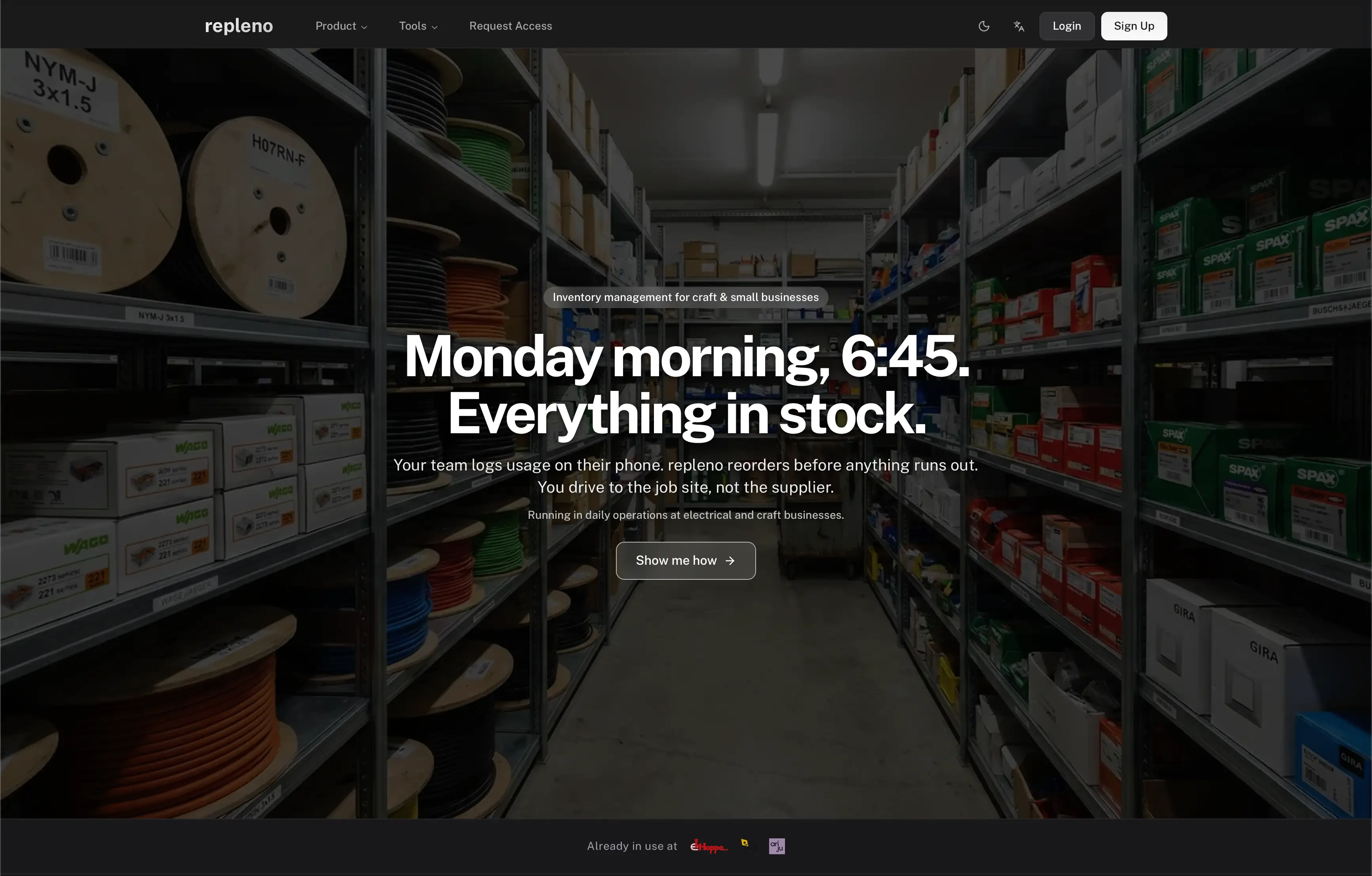
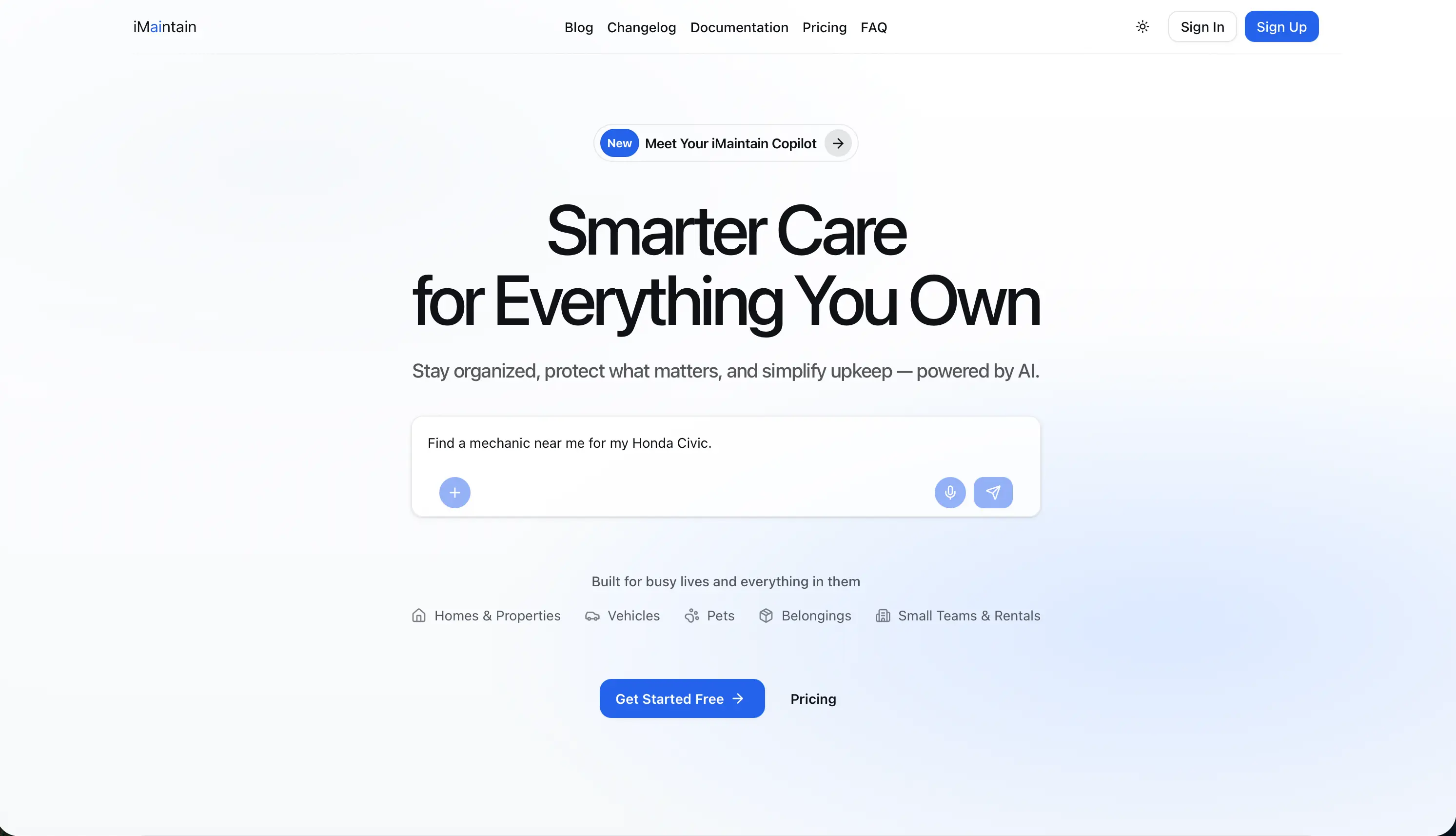
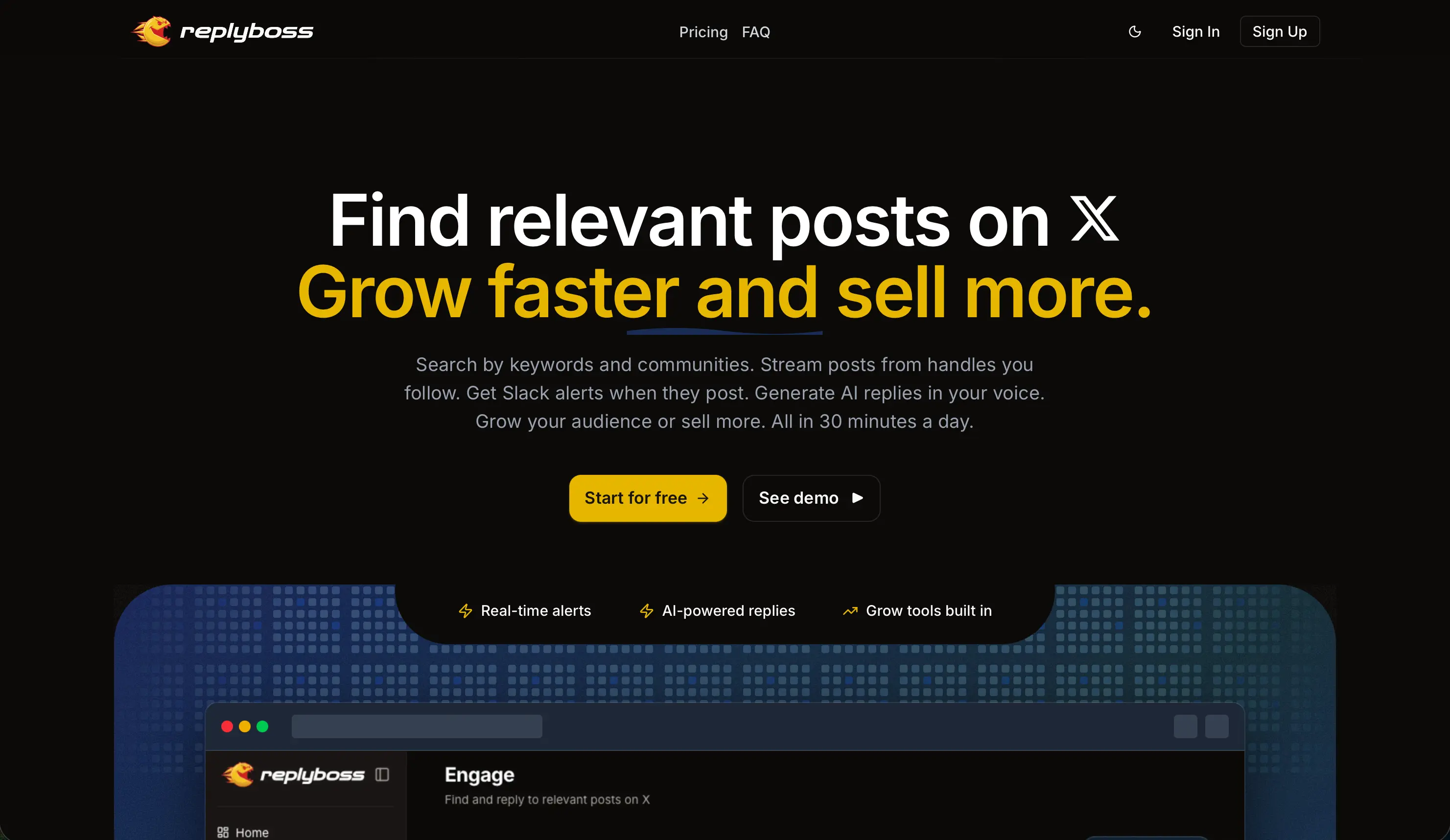
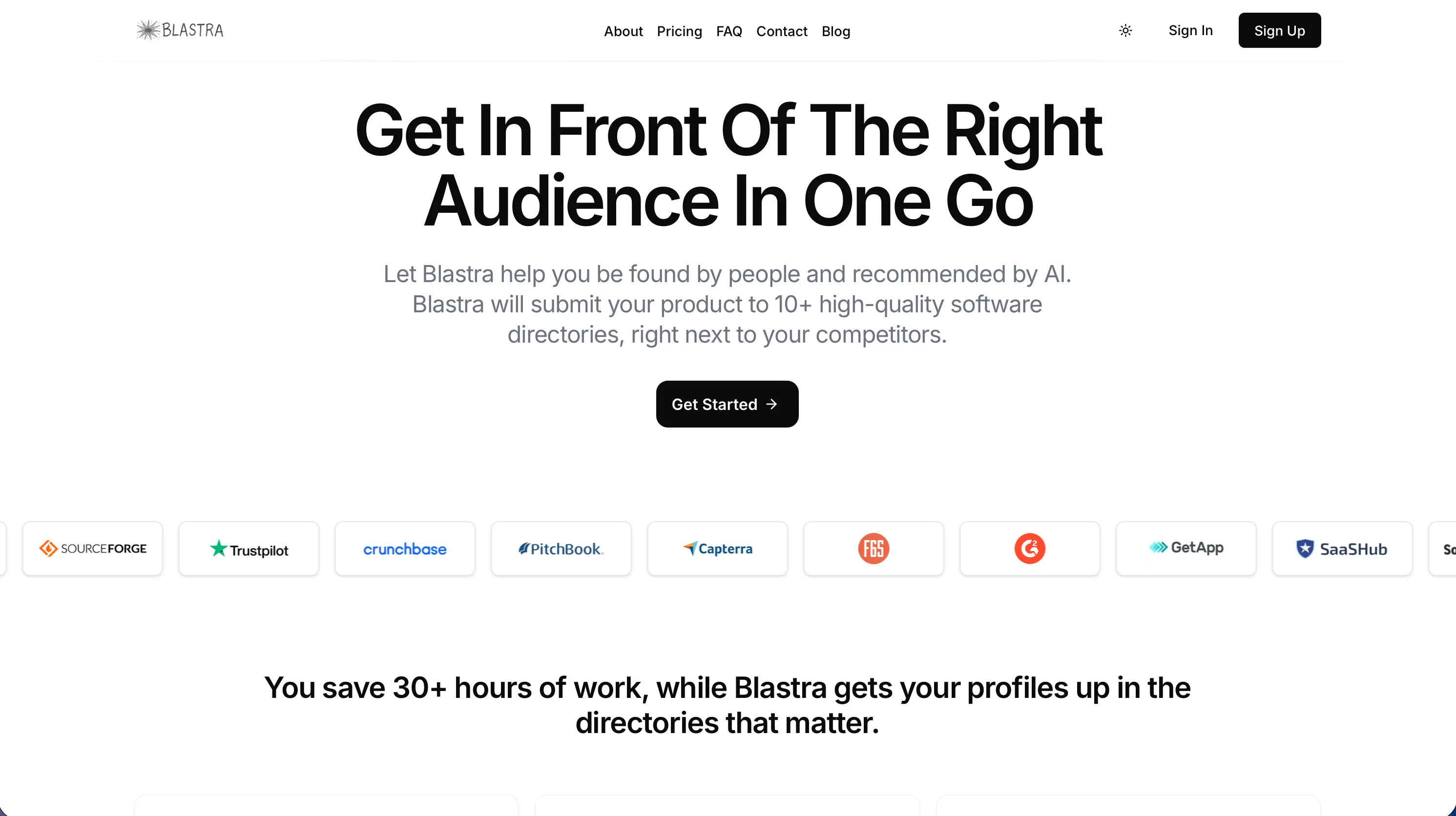
SaaS products built with MakerKit
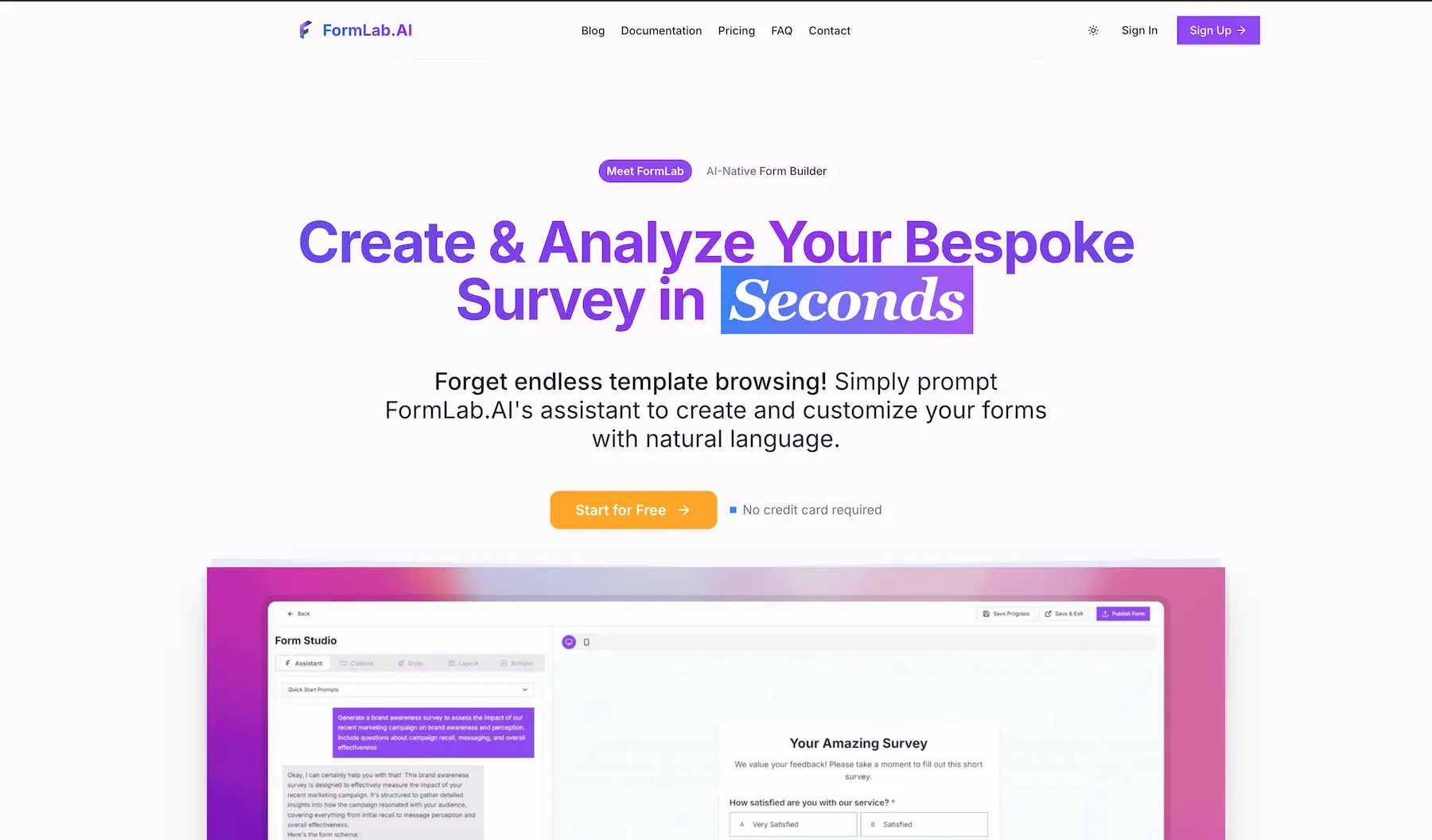
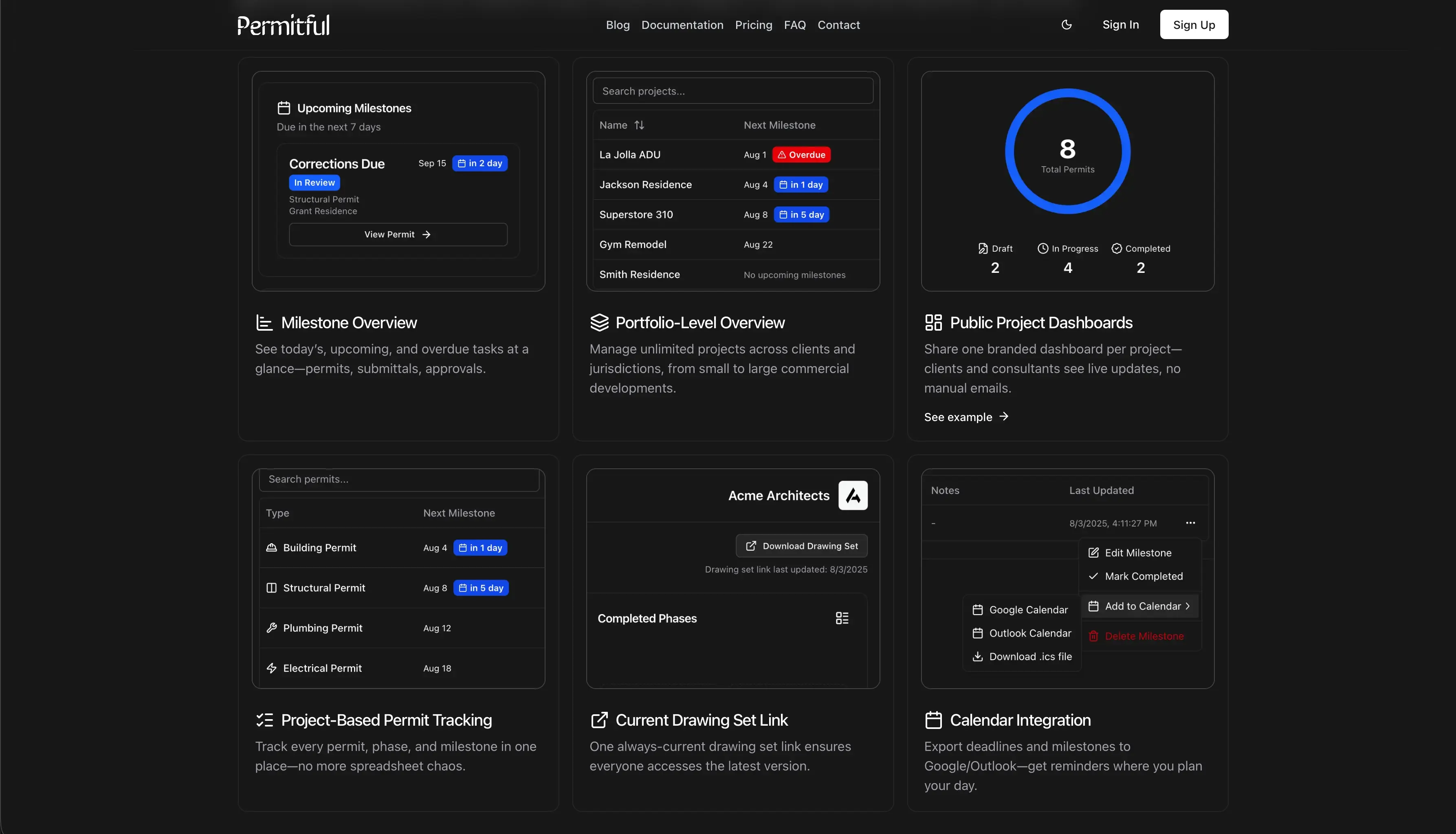
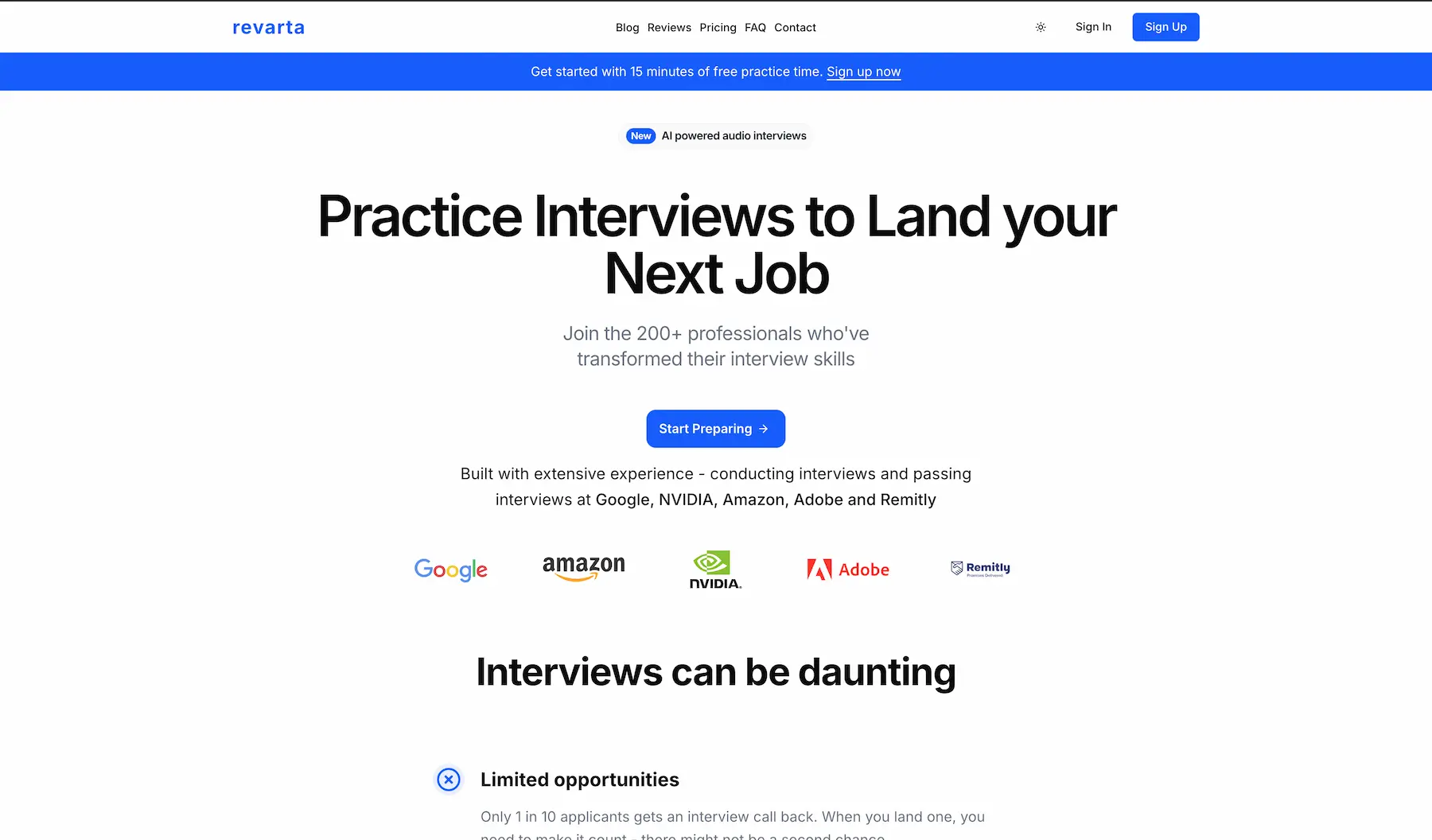
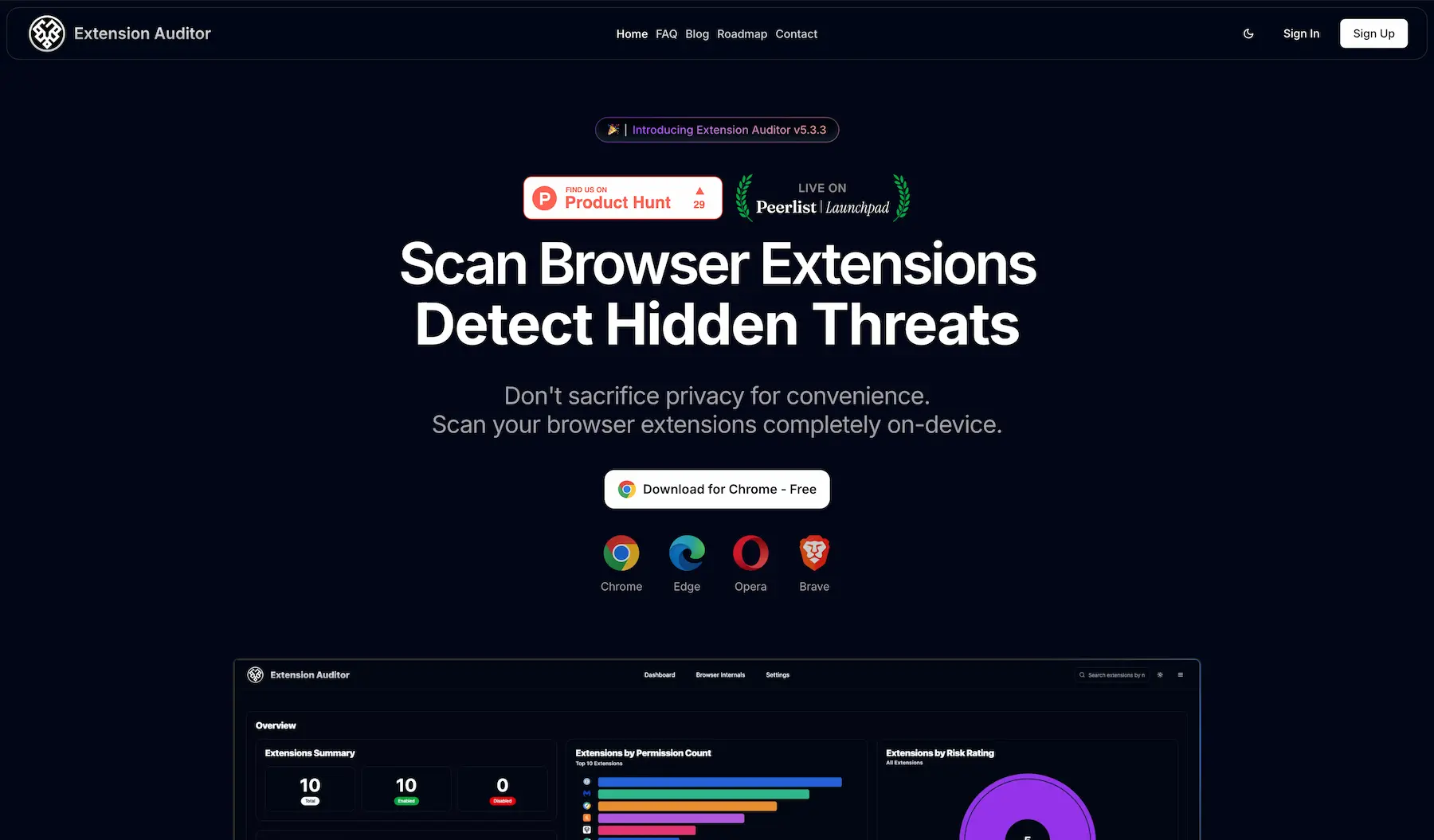
A selection of products MakerKit customers have built on the kits.

I help founders launch faster - because life’s too short to write boilerplate code.
I am a software engineer with almost 15 years of experience writing code for both startups and enterprises.
My love for creating digital products inspired me to build Makerkit, a SaaS Starter Kit that helps you launch the SaaS you have always dreamed of.
My job is to help you achieve your goals, and I work hard to make it happen.
You can find me on Twitter, LinkedIn, and GitHub.
Buy the kit you can verify. Choose MakerKit.
Every feature on this page has documentation you can read today. If you are building a B2B SaaS, that certainty costs less than rebuilding the undocumented parts yourself.
Why IndieKit Pro is popular
Price first. IndieKit's entry tier is listed below MakerKit Pro, which matters to indie hackers paying out of pocket; check indiekit.pro for the current tiers.
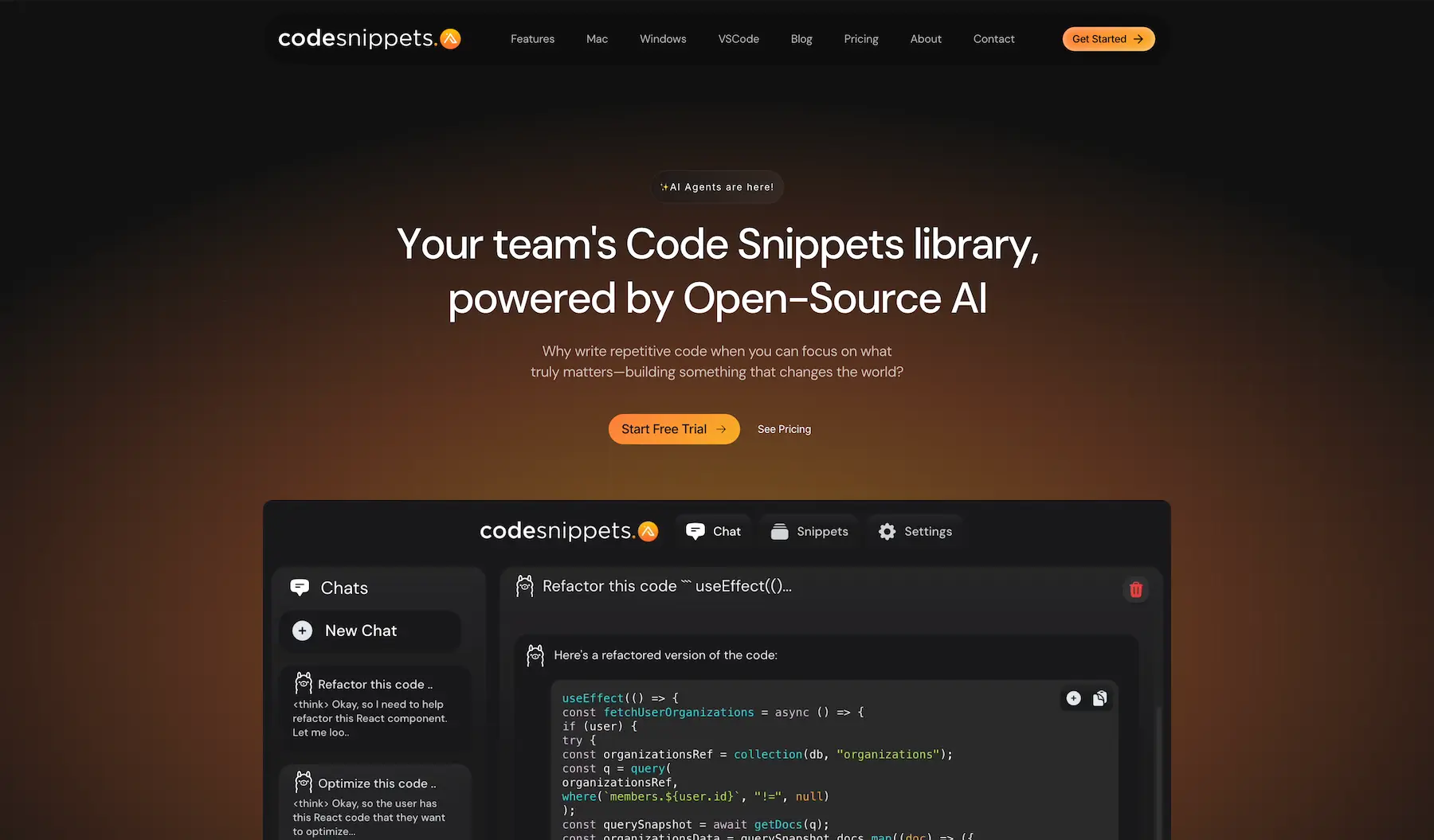
The feature list is also long for the money. Its site describes organizations with invitations and roles, plan quotas, a super-admin dashboard, background and scheduled jobs, email templates, several payment providers, and AI rules for coding assistants. It also sells on founder mentorship and community, which no code comparison captures.
Migrating from IndieKit Pro to MakerKit
Both are Next.js kits, so your React components and product logic move with you. Auth, tenancy, billing, and jobs are what you re-plumb.
| In IndieKit Pro | In MakerKit | What you rewrite |
|---|---|---|
| Auth library and users table | Supabase Auth (Supabase kits) or Better Auth (Drizzle and Prisma kits) | Import users, register new OAuth callback URLs, and expect users to sign in once after the cutover. |
| Organizations and members | Team accounts, memberships, roles, and invitations | Map organizations to team accounts and members to memberships, then map roles. Reissue pending invitations. |
| Plans and quotas | Billing config with plan limits, entitlements, and metered usage | Re-express each quota as a plan limit or usage meter, and link existing customer IDs to accounts. |
| Payment provider | Stripe or Lemon Squeezy (Supabase kits); Stripe or Polar (Drizzle, Prisma) | If you use another provider, write a custom billing integration (documented for the Supabase kit) or move customers to a supported one. |
| Background and scheduled jobs | Your own job runner, or Supabase database webhooks | Port job handlers to the runner you choose. This is the part MakerKit does not provide. |
| Email templates | React Email templates and the kit mailer | Port templates and point the mailer at your email provider. |
- Match your ORM: if your IndieKit project uses Drizzle, start from the Next.js Drizzle kit. If you want RLS and Supabase Auth, start from the Next.js Supabase kit.
- Map organizations to team accounts using the multi-tenant SaaS architecture guide, then port product tables and features.
- Recreate plans and quotas in the billing config.
- Rehearse the data import on staging, then switch DNS and the payment webhook together.
IndieKit alternative FAQ
IndieKit Pro is cheaper. Why isn't it the obvious choice?
Because IndieKit's B2B depth is not documented publicly, and MakerKit's is. Teams, roles, seat and metered billing, the admin panel, and E2E tests each have a docs page you can read today. If you need those, the price gap is smaller than the work of confirming or building them after purchase.
Both kits mention AI. What is the difference?
Both ship rules that tell coding assistants how the codebase works. MakerKit also ships an MCP server that gives agents such as Claude Code, Cursor, and Codex structured access to the kit.
Does MakerKit include background jobs?
Not as a built-in job runner. The Supabase kits document database webhooks, and you add a job runner of your choice for scheduled work. If built-in jobs are a must, IndieKit lists them.
How do I verify what is in any starter kit?
Read the documentation, not the feature list. If a feature has no implementation details (schema, configuration, where the checks run), treat it as unconfirmed. MakerKit's docs are public at makerkit.dev/docs.
Spotted something out of date about IndieKit Pro or MakerKit? Please contact us and we will correct it.